Layered cakes hold a special place in the realm of baking, offering a stunning visual appeal combined with rich flavors and textures. Whether you’re aiming to impress guests at a celebration or simply treat yourself to something delightful, mastering the art of the layered cake is a rewarding endeavor. This guide will walk you through each step of the process, from selecting the right ingredients to assembling and decorating your masterpiece.
Choosing Your Ingredients
Flour
The backbone of any cake, flour comes in various types that can affect the texture and density of your cake. For a light, airy cake, opt for cake flour, which has a lower protein content than all-purpose flour. This creates a tender crumb that is ideal for layered cakes.
Sugar
Granulated sugar is most commonly used in cake recipes, as it helps to aerate the batter during creaming, which is crucial for a light and fluffy texture. Consider experimenting with superfine sugar for an even finer crumb.
Fat
Butter is the preferred choice for most layered cakes due to its rich flavor. Ensure it is at room temperature for easy creaming. Alternatively, you may use vegetable oil for a moist texture, though it will slightly alter the flavor profile.
Leavening Agents
Baking powder and baking soda are essential for providing the cake with the necessary rise. They work by creating gas bubbles in the batter, which expand during baking, resulting in a light and fluffy cake.
Eggs
Eggs provide structure, moisture, and richness to the cake. Use large eggs at room temperature for best results, as they incorporate more easily into the batter.
Flavorings
Vanilla extract is a staple in cake recipes, but don’t hesitate to experiment with other flavors like almond, lemon, or even spices like cinnamon or nutmeg to create a unique profile.
Preparing the Cake Batter
Creaming Method
The creaming method is a fundamental technique for making layered cakes. Begin by beating the butter and sugar until light and fluffy. This process incorporates air, which is key for a tender cake. Add the eggs one at a time, ensuring each is fully incorporated before adding the next.
Combining Dry Ingredients
In a separate bowl, whisk together the flour, baking powder, and salt. This ensures an even distribution of the leavening agents, which is essential for a consistent rise.
Mixing Wet and Dry Ingredients
Gradually add the dry ingredients to the creamed mixture, alternating with any liquid ingredients (such as milk or buttermilk). Start and end with the dry ingredients, mixing just until combined to avoid a dense cake.
Baking the Cake
Preparing the Pans
Properly preparing your cake pans is crucial to ensure the cakes release easily after baking. Grease the pans with butter or non-stick spray, then line the bottoms with parchment paper for added insurance.
Preheating and Baking
Preheat your oven to the specified temperature before placing the cake pans inside. Bake the cakes until a toothpick inserted into the center comes out clean, indicating they are fully cooked.
Cooling the Cakes
Allow the cakes to cool in the pans for about 10 minutes before transferring them to a wire rack. This prevents the cakes from sticking and helps them cool evenly.
Assembling the Layered Cake
Leveling the Cakes
To create a stable and visually appealing layered cake, it’s important to level the tops of each cake layer. Use a serrated knife or a cake leveler to trim any domed tops, creating a flat surface.
Filling and Stacking
Place one cake layer on a serving plate or cake board. Spread an even layer of your chosen filling, such as buttercream, ganache, or fruit preserves, over the top. Repeat with the remaining layers, ensuring they are aligned.
Crumbling and Frosting
Apply a thin coat of frosting, known as a crumb coat, to seal in any loose crumbs. Chill the cake briefly to set the crumb coat before applying the final layer of frosting. Use a spatula to create a smooth or textured finish, depending on your preference.
Decorating Your Masterpiece
Choosing a Design
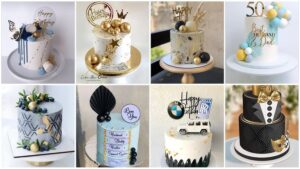
The decoration of your layered cake can be as simple or elaborate as you like. Consider the occasion and your skill level when deciding on a design. Popular options include piped borders, fresh flowers, or a drizzle of chocolate.
Tools and Techniques
Investing in a few key tools can elevate your cake decorating skills. A piping bag with various tips, an offset spatula, and a turntable can make the process more efficient and enjoyable.
Adding Personal Touches
Personalize your cake with creative touches such as edible glitter, chocolate curls, or personalized messages. Let your creativity shine through and make the cake a reflection of your unique style.
Tips for Success
Practice Patience
Baking a layered cake is a process that requires time and patience. Allow each step to be completed fully before moving on to the next for the best results.
Experiment and Learn
Don’t be afraid to experiment with different flavors, fillings, and decorations. Each attempt is a learning experience that brings you closer to perfecting your layered cake skills.
Enjoy the Process
Baking should be a joyful experience. Embrace both the successes and the challenges, and remember that even imperfect cakes can be delicious and appreciated.
Conclusion
Creating the perfect layered cake is a rewarding journey that combines technical skill with creative expression. By following this comprehensive guide, you’ll be well on your way to mastering the art of layered cakes. Whether you’re crafting a classic vanilla cake or exploring new flavor combinations, remember that the ultimate goal is to create something delicious that brings joy to you and those you share it with. Happy baking!