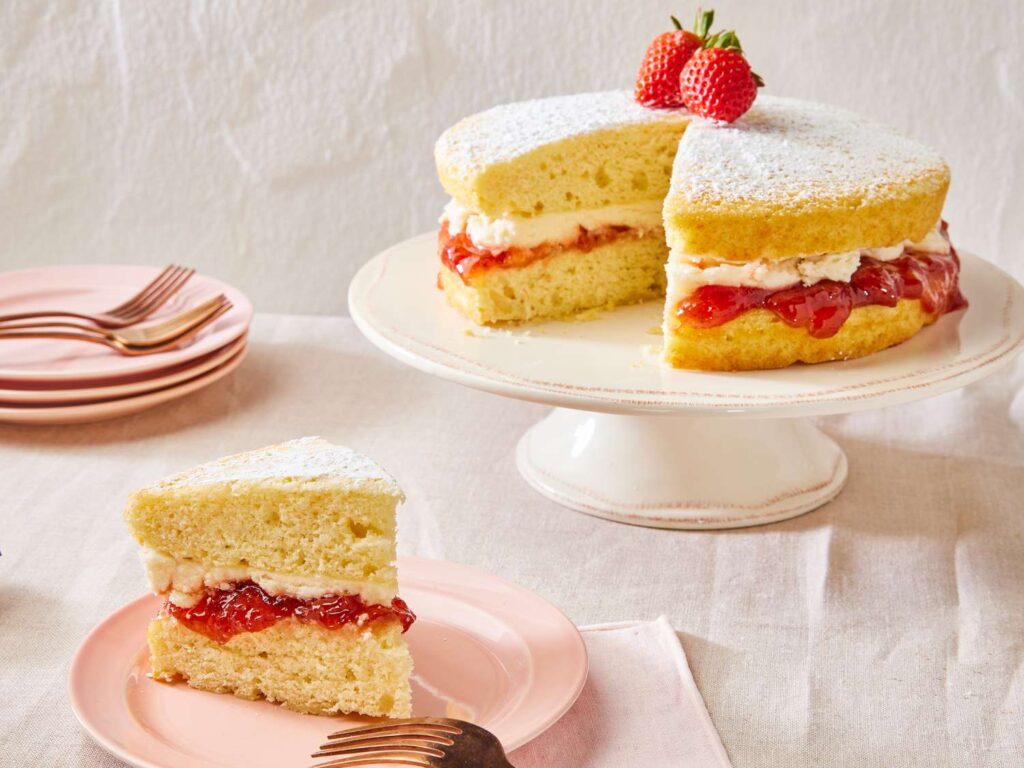
The sponge cake is a timeless classic, adored for its light, airy texture and versatile nature. Whether it’s used as the base for a celebratory layer cake or simply enjoyed with a dusting of powdered sugar, mastering the art of a perfect fluffy sponge cake is a valuable skill for any home baker. This guide will walk you through the essential steps, tips, and techniques to ensure your sponge cake rises to fluffy perfection every time.
The Science Behind a Fluffy Sponge Cake
Understanding the science of baking is key to achieving the perfect sponge cake. The hallmark of a great sponge cake is its airy texture, which is achieved through the incorporation of air into the batter. This is primarily done through the whipping of eggs and sugar, where air is trapped and expands during baking. The lack of fat in traditional sponge cakes also contributes to their lightness, making them distinct from butter-based cakes.
Essential Ingredients
While sponge cake recipes can vary, the core ingredients typically remain the same. Here’s what you’ll need to make a classic sponge cake:
- Eggs: The star of the show, providing structure and volume.
- Sugar: Sweetens the cake and stabilizes whipped eggs.
- Flour: Provides the framework that holds the cake together.
- Salt: Enhances flavor and balances sweetness.
- Flavoring: Vanilla extract is most common, but lemon zest or almond extract can add a unique twist.
Step-by-Step Guide to Making a Fluffy Sponge Cake
1. Preparing the Ingredients
Start by preheating your oven to 350°F (175°C) and lining your cake pan with parchment paper. Separate the eggs into whites and yolks. Ensure all ingredients are at room temperature, as this helps the eggs whip to their maximum volume.
2. Whipping the Eggs
Begin by beating the egg yolks with half of the sugar until the mixture turns pale and thick. This should take about 3-5 minutes with an electric mixer. In a separate bowl, whip the egg whites until soft peaks form. Gradually add the remaining sugar and continue to beat until stiff peaks form.
3. Combining Ingredients
Gently fold the egg yolk mixture into the whipped egg whites. Be careful not to deflate the batter. Sift the flour and salt over the egg mixture, folding gently to combine. Add your choice of flavoring at this stage.
4. Baking the Cake
Pour the batter into the prepared cake pan, smoothing the top with a spatula. Bake in the preheated oven for 25-30 minutes, or until the cake is golden brown and a toothpick inserted into the center comes out clean. Avoid opening the oven door during baking to prevent the cake from collapsing.
5. Cooling and Removing from Pan
Once baked, let the cake cool in the pan for 10 minutes. Run a knife around the edges and invert the cake onto a wire rack to cool completely. This step is crucial for maintaining the cake’s structure.
Common Mistakes and How to Avoid Them
1. Under or Over-whipping Eggs
Under-whipped eggs result in a dense cake, while over-whipped eggs can cause the cake to collapse. Aim for soft peaks when initially whipping the whites, then gradually add sugar until stiff peaks form.
2. Deflating the Batter
Folding should be done gently to prevent the loss of air. Use a spatula and fold in a figure-eight motion, rotating the bowl as you go.
3. Incorrect Oven Temperature
An oven thermometer is a worthwhile investment to ensure your oven is at the correct temperature. An oven that’s too hot can cause the cake to rise too quickly and then collapse, while too cool an oven will result in a dense cake.
Variations and Enhancements
Once you’ve mastered the basic sponge cake, there are endless possibilities for customization and enhancement:
1. Adding Fillings and Toppings
Consider filling your sponge cake with whipped cream, fruit preserves, or pastry cream. Toppings like chocolate ganache or a simple glaze can also elevate your cake.
2. Flavor Infusions
Experiment with different extracts and zests to infuse your sponge cake with unique flavors. Citrus zests or almond extract can give your cake a delightful twist.
3. Layering
For a show-stopping presentation, slice your sponge cake horizontally and add layers of filling. This adds both visual appeal and flavor complexity.
Conclusion
Mastering the perfect fluffy sponge cake requires attention to detail and an understanding of the baking process. By following this ultimate guide, you’ll be well on your way to creating sponge cakes that are light, airy, and utterly delicious. Whether you keep it simple or explore creative variations, your sponge cake will surely impress family and friends. Happy baking!