Cake flavorings play a crucial role in baking, elevating simple ingredients into a delightful culinary experience. Whether you are a seasoned baker or a beginner, understanding the various options available can help you create cakes that leave a lasting impression. This guide explores the different types of cake flavorings, their uses, and tips for incorporating them into your baking.
Types of Cake Flavorings
Extracts
Extracts are concentrated flavoring agents derived from natural sources. They are typically made by soaking the flavoring material in alcohol or another solvent to extract the essential oils. The most common extract used in baking is vanilla extract, but there are many others to explore:
- Vanilla Extract: A staple in baking, vanilla extract adds a warm, sweet aroma and flavor to cakes. Pure vanilla extract is preferred over imitation for its rich, authentic taste.
- Almond Extract: Known for its strong, nutty flavor, almond extract is perfect for adding depth to cakes, especially those containing nuts or fruits.
- Lemon Extract: Bright and zesty, lemon extract can enhance the freshness of a cake, particularly in lemon-flavored or citrus-based recipes.
- Peppermint Extract: Ideal for holiday-themed cakes, peppermint extract provides a cool, refreshing flavor.
Essences
Essences are similar to extracts but are often more concentrated and sometimes synthetic. They provide intense flavor without altering the cake’s moisture content. Popular essences include rose, orange, and coconut, which can add unique dimensions to your cakes.
Emulsions
Emulsions are water-based flavorings that are more stable than extracts when exposed to high heat. They are ideal for baking as they do not bake out as quickly as alcohol-based extracts. Emulsions come in a variety of flavors, including butter, red velvet, and cake batter.
Spices
Spices are natural flavorings that can be ground or whole. They add warmth and complexity to cakes. Common spices in baking include:
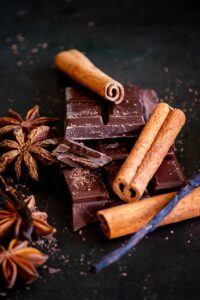
- Cinnamon: Adds a sweet and woody flavor, often used in spice cakes and apple-flavored desserts.
- Nutmeg: Offers a sweet, nutty taste that pairs well with cinnamon and cloves in spice cakes.
- Ginger: Provides a spicy kick, perfect for gingerbread or carrot cakes.
Fruits
Fruits not only add natural sweetness but also a variety of flavors and textures to cakes. Fresh, dried, or pureed fruits can each offer different results:
- Fresh Fruits: Berries, bananas, and apples can add moisture and flavor directly into your batter.
- Dried Fruits: Raisins, cranberries, and apricots intensify flavors and add chewiness.
- Fruit Purees: Enhance the cake’s moisture content and can replace some of the fat or sugar in recipes.
Herbs
Herbs can introduce unexpected flavors to cakes, creating a sophisticated profile. Some popular options include:
- Lavender: Provides a floral, slightly sweet flavor, often used in combination with lemon or honey.
- Mint: Fresh mint leaves can add a cool, refreshing flavor.
- Thyme: Known for its earthy, subtle flavor, thyme pairs well with citrus and berries.
Alcohol
Alcohol can enhance the flavor profile of cakes, adding depth and richness. Common types include:
- Rum: Offers a sweet, caramel-like flavor, often used in fruitcakes or holiday cakes.
- Brandy: Adds warmth and complexity, popular in traditional Christmas cakes.
- Amaretto: Infuses a sweet, almond flavor, perfect for nut-based cakes.
Tips for Using Cake Flavorings
Successfully incorporating flavorings into your cakes requires a balance of creativity and precision. Here are some tips to guide you:
- Start Small: Begin with a small amount of flavoring, as a little can go a long way, especially with extracts and essences.
- Balance Flavors: Consider the overall flavor profile of your cake and how different flavorings complement or contrast with each other.
- Consider the Audience: Tailor the flavor profile to your audience’s preferences, whether they favor traditional or adventurous flavors.
- Experiment with Combinations: Mix different flavorings to create unique profiles, such as vanilla and almond or lemon and lavender.
- Mind the Baking Time: Some flavors, especially alcohol-based extracts, may diminish with long baking times. Adjust quantities accordingly.
Conclusion
The art of baking is elevated by the thoughtful use of flavorings. By understanding the wide array of options available, from extracts to spices and fruits, bakers can craft cakes that are not only delicious but also memorable. Experimentation and balance are key to mastering cake flavorings, allowing you to create unique dessert experiences that delight the senses.
#ChatGPT assisted in the creation of this article.