Baking the perfect cake is an art and a science, requiring precise measurements, the right ingredients, and an understanding of how those ingredients interact. Among the most crucial components in cake-making is fat. The type of fat you choose can dramatically affect the texture, flavor, and overall success of your cake. In this ultimate guide, we will compare different types of baking fats, helping you make an informed decision for your next cake creation.
The Role of Fat in Baking
Fat is a key player in baking, contributing to the cake’s texture, moisture, and flavor. It acts as a tenderizer, coating the flour’s protein molecules, which limits gluten formation. This results in a cake that is soft and tender rather than tough and chewy. Additionally, fat adds richness and carries flavors, enhancing the overall taste of your baked goods.
Common Types of Baking Fats
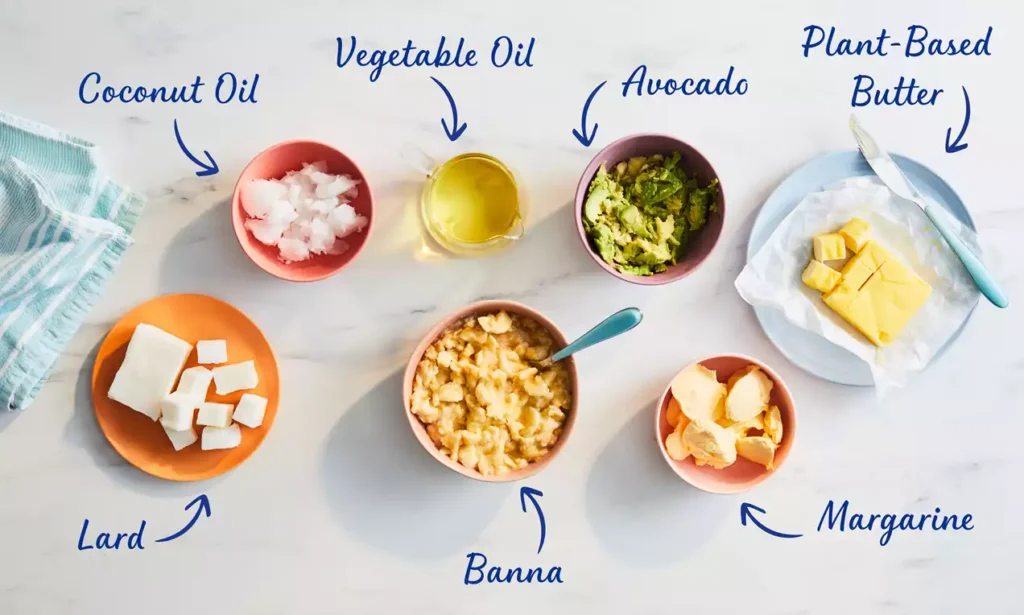
Let’s delve into the most commonly used fats in baking: butter, margarine, shortening, and oil. Each has unique properties that affect the outcome of your cake.
Butter
Butter is a favorite among bakers for its rich flavor and natural ingredients. It is composed of about 80% fat, with the remaining 20% being water and milk solids. This composition contributes to the browning and flavor development in cakes. Butter’s high melting point helps create a stable structure, resulting in cakes that hold their shape well.
Advantages:
- Rich, creamy flavor
- Enhances browning and flavor
Disadvantages:
- Higher cost compared to other fats
- Can lead to denser cakes if not properly aerated
Margarine
Margarine is a butter substitute made from vegetable oils. It typically contains water and emulsifiers, which can affect the texture and moisture of cakes. Margarine’s fat content can vary, so it’s important to choose one with a high-fat percentage for baking.
Advantages:
- Cheaper alternative to butter
- Can produce lighter cakes due to higher water content
Disadvantages:
- Less flavor compared to butter
- May contain trans fats, which are less healthy
Shortening
Shortening is a solid fat made from vegetable oils that have been hydrogenated to make them solid at room temperature. It is 100% fat with no water, which contributes to its ability to produce tender, crumbly cakes.
Advantages:
- Creates a tender texture due to lack of water
- Longer shelf life than butter
Disadvantages:
- No flavor, so cakes may taste bland
- Contains trans fats, which are less healthful
Oil
Baking oils, such as vegetable or canola oil, are liquid fats that are easy to incorporate into cake batters. They are 100% fat, and because they are liquid, they can create cakes that are extremely moist.
Advantages:
- Produces very moist cakes
- Neutral flavor that doesn’t overpower other ingredients
Disadvantages:
- Does not contribute to leavening or structure
- Can make cakes greasy if used in excess
How to Choose the Right Fat for Your Cake
The choice of fat depends on the desired outcome for your cake. Here are some tips to help you decide:
- Flavor: If flavor is your priority, butter is your best bet. It provides a richness and depth that other fats cannot match.
- Texture: For a tender crumb, shortening or a high-fat margarine can be effective. If you want a moist cake, oil is an excellent choice.
- Health Considerations: If you are concerned about trans fats, opt for butter or oils. Many margarines and shortenings contain trans fats unless specified otherwise.
- Cost: Margarine and shortening are generally more cost-effective than butter.
Baking Tips for Perfect Cakes
Regardless of the fat you choose, there are universal tips for ensuring cake success:
- Room Temperature Ingredients: Ensure all ingredients, especially the fat, are at room temperature for optimal mixing.
- Proper Mixing: Cream butter and sugar until light and fluffy to incorporate air, which contributes to leavening.
- Don’t Overmix: Once the flour is added, mix just until incorporated to avoid tough cakes.
- Accurate Measurements: Use a kitchen scale for precision and consistency.
Conclusion
The choice of fat in cake baking is critical, influencing flavor, texture, and moisture. Understanding the properties and impacts of butter, margarine, shortening, and oil allows bakers to tailor their recipes to achieve the perfect cake for any occasion. Whether you prioritize flavor, texture, cost, or health, this guide provides the insights needed to make informed decisions in your baking endeavors. So, next time you set out to bake a cake, feel confident in selecting the right fat for your desired results. Happy baking!