Chocolate has been a beloved ingredient in the world of baking for centuries. From decadent cakes to rich brownies, the allure of chocolate is undeniable. However, achieving the perfect chocolate dessert requires more than just a love for chocolate. It demands precision, understanding of ingredients, and the right tools. This guide provides the ultimate tips for mastering chocolate baking, ensuring your creations are nothing short of perfection.
Understanding Chocolate Varieties
Dark Chocolate
Dark chocolate is a favorite for many bakers due to its deep, rich flavor. It typically contains a higher percentage of cocoa solids, ranging from 50% to 90%. When baking with dark chocolate, it’s essential to choose a variety that complements your recipe. Higher cocoa content can lead to a more bitter taste, which works well in recipes that already incorporate sugar.
Milk Chocolate
Milk chocolate contains cocoa solids, sugar, and milk, giving it a creamier and sweeter profile than dark chocolate. It’s perfect for recipes that benefit from a lighter chocolate flavor. However, due to its lower cocoa content, it’s crucial to balance it with other ingredients to prevent overly sweet desserts.
White Chocolate
While technically not chocolate due to the absence of cocoa solids, white chocolate is made from cocoa butter, sugar, and milk solids. It offers a sweet and creamy flavor, making it ideal for recipes where a subtle chocolate flavor is desired. Pair it with fruits or spices to enhance its taste.
The Importance of Quality Ingredients
Quality ingredients are the cornerstone of exceptional chocolate desserts. Always choose high-quality chocolate bars or chips, and avoid using chocolate with artificial ingredients or excessive additives. The quality of your chocolate will significantly impact the texture and flavor of your baked goods.
Cocoa Powder
Cocoa powder is another essential ingredient in chocolate baking. There are two main types: natural and Dutch-processed. Natural cocoa powder is acidic and pairs well with baking soda, while Dutch-processed cocoa is neutral and works best with baking powder. Understanding the differences can help you achieve the desired outcome in your recipes.
Essential Baking Tools
Mixing Bowls
Invest in a set of high-quality mixing bowls. Stainless steel or glass bowls are preferable as they do not retain odors and are easy to clean. They are perfect for melting chocolate over a double boiler and mixing batters.
Kitchen Scale
Precision is key in baking, and a kitchen scale ensures accurate measurements of your ingredients. This is especially important when working with chocolate, where even slight variations can alter the texture and taste of your final product.
Double Boiler
A double boiler is indispensable for melting chocolate gently and evenly. If you don’t have one, you can create a makeshift double boiler by placing a heatproof bowl over a pot of simmering water. This method prevents the chocolate from burning, ensuring a smooth and glossy melt.
Silicone Spatula
A silicone spatula is ideal for folding chocolate into batters and ensuring every last bit of mixture is used. Its flexibility and heat resistance make it a versatile tool in any baker’s arsenal.
Perfecting Your Technique
Tempering Chocolate
Tempering is a technique used to stabilize chocolate, giving it a shiny finish and a crisp snap. It involves carefully heating and cooling chocolate to specific temperatures. While it may seem daunting, mastering tempering can elevate your chocolate desserts to a professional level.
Achieving the Right Consistency
Consistency is crucial in chocolate baking. When mixing chocolate into batters, ensure it is at the right temperature to avoid seizing. Additionally, when making ganache, the cream should be hot enough to melt the chocolate but not boiling, to achieve a smooth and velvety texture.
Baking Times and Temperatures
Chocolate desserts can be sensitive to baking times and temperatures. Always preheat your oven and use an oven thermometer to ensure accuracy. Slight variations can significantly affect the texture, making the difference between a moist cake and a dry one.
Common Mistakes and How to Avoid Them
Overheating Chocolate
One of the most common mistakes is overheating chocolate, which can cause it to seize and become grainy. Always melt chocolate slowly over low heat and stir frequently to maintain a smooth consistency.
Incorrect Measurements
Precision is essential in chocolate baking, and incorrect measurements can lead to disappointing results. Use a kitchen scale for exact measurements, especially for ingredients like flour and cocoa powder, which can be easily compacted when measured by volume.
Ignoring Ingredient Temperatures
Ensure all ingredients are at the correct temperature before beginning your recipe. Cold eggs or butter can cause the batter to curdle, while overly hot ingredients can affect the texture and rise of your baked goods.
Pairing Chocolate with Other Flavors
Fruits
Fruits like raspberries, oranges, and bananas pair beautifully with chocolate, offering a balance of sweetness and acidity. Incorporate fruit zest or purees to enhance the flavor profile of your desserts.
Nuts
Nuts such as almonds, hazelnuts, and pecans add texture and depth to chocolate desserts. Toast nuts before incorporating them into your recipes to enhance their flavor.
Spices
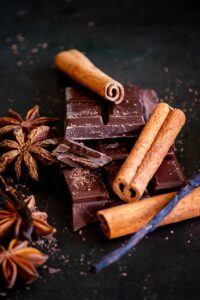
Spices like cinnamon, chili, and vanilla can elevate chocolate desserts by adding warmth and complexity. Use them sparingly to complement, not overpower, the chocolate.
Conclusion
Mastering chocolate baking is an art that combines quality ingredients, precise techniques, and the right tools. By understanding the nuances of different chocolate varieties, investing in essential baking tools, and refining your technique, you can create chocolate desserts that are truly extraordinary. Whether you’re baking for a special occasion or simply indulging your love for chocolate, this guide provides the tips and insights needed to achieve perfection every time.