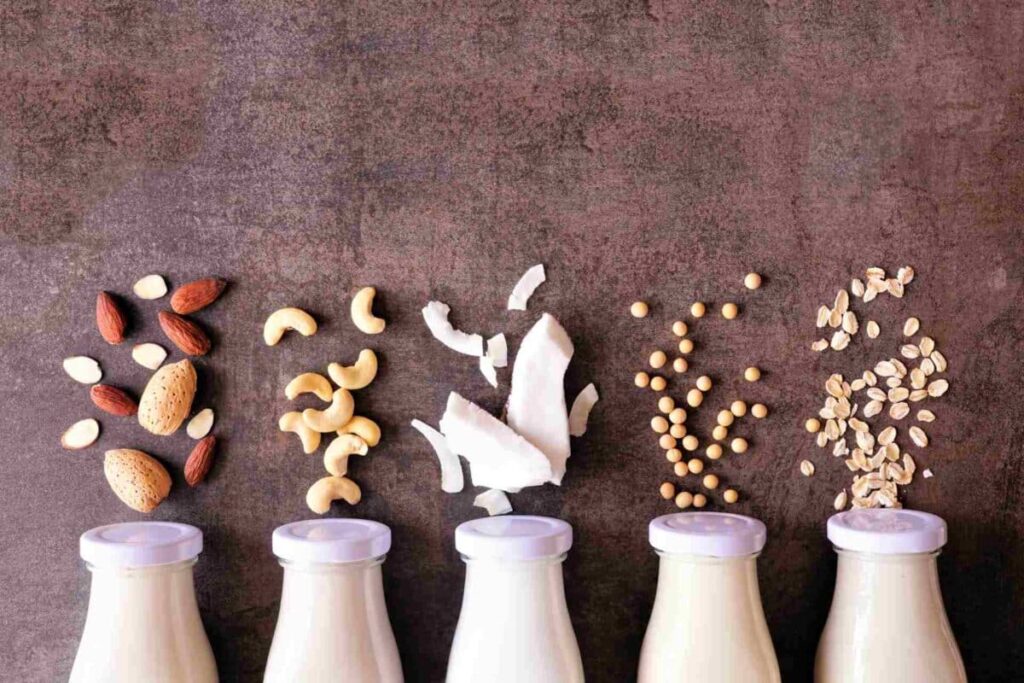
In the realm of baking, milk is a staple ingredient, contributing to the flavor, texture, and moisture of many recipes. However, dietary restrictions, allergies, or lifestyle choices often necessitate the use of milk alternatives. Fortunately, there are numerous plant-based and lactose-free options that can seamlessly replace milk in your baking endeavors. This article explores the top milk alternatives, ensuring your baked goods turn out perfectly every time.
1. Almond Milk
Almond milk is a popular choice due to its mild flavor and versatility. Made from ground almonds and water, it is low in calories and offers a subtle nutty taste that complements many baked goods, from cakes to muffins.
Benefits:
- Lactose-free and suitable for vegans.
- Low in calories and fat.
- Rich in vitamin E, an antioxidant that helps protect cells from damage.
Usage Tips:
When substituting almond milk for regular milk, use a 1:1 ratio. However, be mindful that almond milk is thinner than cow’s milk, which might slightly alter the texture of your baked goods. Consider adding a tablespoon of oil or melted butter to your mixture to compensate for the difference in fat content.
2. Soy Milk
Soy milk, derived from soybeans, is another excellent milk alternative. It has a balanced nutritional profile, providing protein, potassium, and other essential nutrients comparable to cow’s milk.
Benefits:
- High in protein, comparable to dairy milk.
- Rich in vitamins and minerals, including calcium and vitamin D.
- Suitable for vegans and those with lactose intolerance.
Usage Tips:
Soy milk is a thicker option, making it an excellent substitute in recipes that require a richer texture, such as custards and creamy desserts. Use it in a 1:1 ratio with milk. Be cautious with flavored soy milk, as it may alter the taste of your recipe.
3. Oat Milk
Oat milk has gained popularity for its creamy texture and slightly sweet flavor. It’s made by blending oats with water and straining the mixture.
Benefits:
- Rich in fiber, which aids digestion.
- Contains beta-glucans, which help lower cholesterol levels.
- Typically fortified with vitamins A, D, and B12.
Usage Tips:
Oat milk’s creamy consistency makes it a fantastic choice for recipes like pancakes, bread, and muffins. Substitute it in a 1:1 ratio. If you’re aiming for a less sweet result, opt for unsweetened oat milk.
4. Coconut Milk
Coconut milk, derived from the grated meat of mature coconuts, offers a distinct flavor profile that can enhance various baked goods, particularly those with tropical or chocolate flavors.
Benefits:
- Rich in healthy fats, particularly medium-chain triglycerides (MCTs).
- Contains lauric acid, which has antimicrobial properties.
- Great for adding moisture and richness to baked goods.
Usage Tips:
Coconut milk’s richness makes it a suitable substitute for recipes requiring a creamy texture. Use it in a 1:1 ratio with milk, keeping in mind its distinct flavor. Light coconut milk is an option if you prefer less fat content.
5. Rice Milk
Rice milk is a hypoallergenic option made from milled rice and water. It’s naturally sweet and thin, making it a good choice for light and airy baked goods.
Benefits:
- Hypoallergenic and suitable for those with nut or soy allergies.
- Low in fat and cholesterol-free.
- Fortified with calcium and vitamins A and D.
Usage Tips:
Because rice milk is thinner than cow’s milk, it’s best used in recipes where a light consistency is desired, such as sponge cakes and certain pastries. Use a 1:1 ratio, and consider adding a thickening agent like cornstarch if necessary.
6. Cashew Milk
Cashew milk, made from blended cashews and water, has a rich, creamy texture that’s perfect for enhancing the luxuriousness of your baked creations.
Benefits:
- Creamy texture without added oils or thickeners.
- Rich in healthy fats and vitamins E and K.
- Low in calories compared to cow’s milk.
Usage Tips:
Cashew milk can be used in a 1:1 ratio for milk in most recipes. Its creaminess makes it suitable for desserts like cheesecakes and puddings. Opt for unsweetened versions to control the sugar content in your baked goods.
7. Hemp Milk
Hemp milk, made from hemp seeds and water, is a nutrient-dense option with a nutty flavor. It’s a great choice for those looking for a protein-rich alternative.
Benefits:
- High in omega-3 and omega-6 fatty acids.
- Rich in protein and essential amino acids.
- Free from common allergens like nuts and soy.
Usage Tips:
Hemp milk is best used in recipes where its nutty flavor complements the other ingredients. Use a 1:1 ratio with milk. It’s particularly suitable for hearty breads and nutty-flavored cookies.
Conclusion
Choosing the right milk alternative for baking depends on the desired flavor, texture, and nutritional profile of your finished product. Each alternative offers unique benefits and characteristics, allowing you to cater to dietary needs without sacrificing the quality of your baked goods. Experiment with these options to find the perfect match for your recipes, and enjoy the process of discovering new flavors and textures in your baking journey.