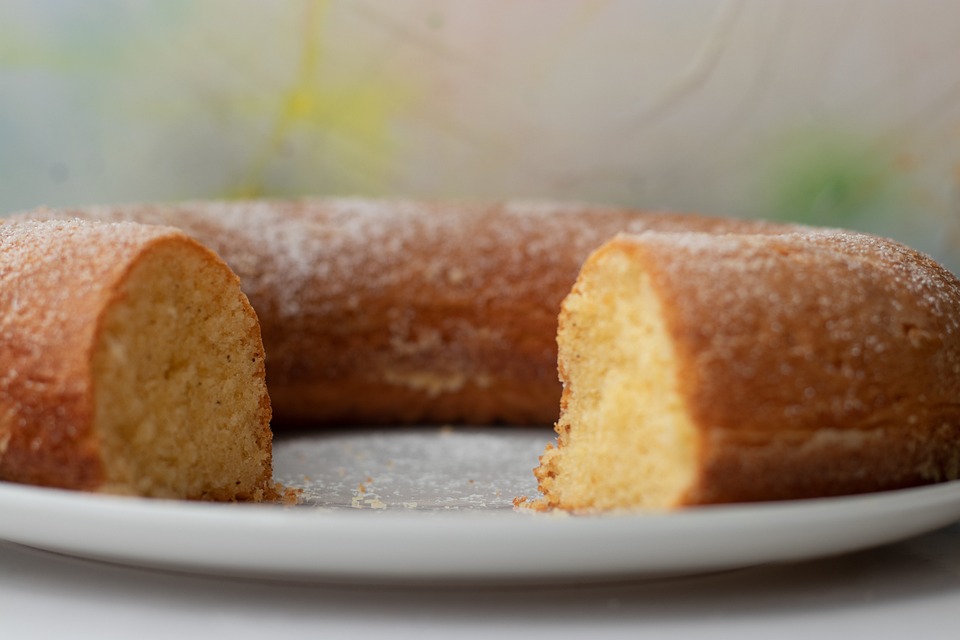
Pound cake is a classic dessert that has graced tables for centuries. Known for its rich, buttery flavor and dense texture, pound cake is a versatile treat that can be enjoyed on its own or paired with a variety of toppings. For beginners, mastering a perfectly moist pound cake can be a rewarding experience. This article will guide you through a foolproof recipe, offering tips and tricks to ensure success.
History of Pound Cake
The origins of pound cake date back to the 18th century in Europe. Traditionally, the recipe called for one pound each of flour, butter, sugar, and eggs, hence the name “pound cake.” This simple formula made it easy to remember, even for those who couldn’t read. Over time, variations emerged, incorporating additional ingredients and techniques to enhance flavor and texture. Today, pound cake remains a beloved classic, celebrated for its simplicity and deliciousness.
Essential Ingredients
To create a perfectly moist pound cake, you’ll need the following ingredients:
- Butter: Use unsalted butter at room temperature for optimal creaminess and flavor.
- Sugar: Granulated sugar works best for a tender crumb.
- Eggs: Large eggs at room temperature help achieve a smooth batter.
- Flour: All-purpose flour is ideal for this recipe, providing structure and a light texture.
- Milk: Whole milk adds moisture and richness to the cake.
- Vanilla Extract: Pure vanilla extract enhances the cake’s flavor profile.
- Salt: A pinch of salt balances the sweetness and enhances the overall taste.
- Baking Powder: Though not traditional, a small amount of baking powder can help achieve a lighter texture.
Equipment Needed
Before you begin, make sure you have the following equipment on hand:
- Mixing bowls
- Electric mixer or stand mixer
- Measuring cups and spoons
- Spatula
- 9×5 inch loaf pan
- Parchment paper
- Cooling rack
Step-by-Step Recipe
Preparation
1. Preheat your oven to 350°F (175°C). Line the bottom of a 9×5 inch loaf pan with parchment paper and lightly grease the sides.
Creaming the Butter and Sugar
2. In a large mixing bowl, beat 1 cup (2 sticks) of unsalted butter and 2 cups of granulated sugar together until light and fluffy. This typically takes about 3-5 minutes with an electric mixer on medium speed.
Adding the Eggs
3. Add 4 large eggs to the butter and sugar mixture one at a time, mixing well after each addition. Ensure each egg is fully incorporated before adding the next.
Incorporating Dry Ingredients
4. In a separate bowl, whisk together 3 cups of all-purpose flour, 1/2 teaspoon of baking powder, and 1/4 teaspoon of salt.
Combining Wet and Dry Ingredients
5. Gradually add the dry ingredients to the wet mixture, alternating with 1 cup of whole milk. Begin and end with the dry ingredients. Mix on low speed until just combined, being careful not to overmix.
Adding Flavor
6. Stir in 2 teaspoons of pure vanilla extract until well incorporated.
Baking the Cake
7. Pour the batter into the prepared loaf pan, smoothing the top with a spatula. Tap the pan gently on the counter to remove any air bubbles.
8. Bake in the preheated oven for 60-70 minutes, or until a toothpick inserted into the center comes out clean. If the top of the cake begins to brown too quickly, cover it loosely with aluminum foil.
Cooling and Serving
9. Allow the cake to cool in the pan for about 10 minutes before transferring it to a cooling rack. Let it cool completely before slicing and serving.
Tips for Success
- Room Temperature Ingredients: Ensure all ingredients are at room temperature for a smooth batter and even baking.
- Do Not Overmix: Overmixing can lead to a dense cake. Mix until just combined.
- Proper Measuring: Use the scoop and level method for measuring flour to avoid packing it into the measuring cup.
- Test for Doneness: Use a toothpick to check if the cake is done. It should come out clean or with a few crumbs attached.
- Cooling Time: Allow the cake to cool completely for the best texture and flavor.
Variations and Serving Suggestions
Pound cake is incredibly versatile. Here are a few variations and serving suggestions to try:
- Lemon Pound Cake: Add the zest of one lemon to the batter and replace the vanilla extract with lemon extract for a citrus twist.
- Chocolate Marble Pound Cake: Swirl in 1/2 cup of melted chocolate into the batter before baking for a marbled effect.
- Serve with Fruit: Top slices with fresh berries or a fruit compote for added freshness and flavor.
- Cream Cheese Glaze: Drizzle the cooled cake with a cream cheese glaze made from cream cheese, powdered sugar, and a splash of milk.
Conclusion
Baking a perfectly moist pound cake is a delightful experience that yields a delicious reward. With its rich flavor and tender crumb, this classic cake is sure to become a favorite in your baking repertoire. By following the steps and tips outlined in this article, even beginners can achieve a perfect pound cake that will impress family and friends alike. Whether enjoyed plain or dressed up with toppings, a homemade pound cake is always a treat worth savoring.