Baking a cake is a delicate art that requires attention to detail and precision. While ingredients and techniques play significant roles in the outcome, mastering the perfect baking time is crucial for achieving flawless results. Whether you’re a novice baker or a seasoned pro, understanding how to determine and adjust baking times can make all the difference in your cake’s texture, flavor, and appearance. This article will guide you through the essential aspects of cake baking time, ensuring your cakes are always a success.
Understanding the Importance of Baking Time
Baking time directly influences the texture and flavor of your cake. Underbaking can lead to a soggy, dense cake with an unappealing texture, while overbaking can result in a dry, crumbly cake that lacks moisture. Finding the perfect balance is key to producing a cake that is tender, moist, and flavorful.
Factors Affecting Baking Time
Several factors can affect the baking time of a cake, including:
– **Oven Type and Calibration**: Different ovens can vary in temperature accuracy. It’s essential to regularly check your oven’s calibration with an oven thermometer to ensure it heats to the correct temperature.
– **Pan Size and Material**: The size and material of your baking pan can influence baking time. Darker pans tend to absorb more heat, potentially reducing baking time, while lighter pans may require additional minutes. Larger cakes in bigger pans typically need more time compared to smaller cakes.
– **Cake Batter Composition**: The ingredients and proportions in your cake batter, such as fat content, sugar, and leavening agents, can affect baking time. For instance, cakes with high sugar content may caramelize and brown faster.
– **Altitude and Humidity**: High altitudes and humidity levels can impact baking time and cake texture. Adjustments may be necessary to achieve the desired results in these conditions.
Determining the Perfect Baking Time
Accurately determining the right baking time for your cake involves a combination of following recipes, understanding your oven, and relying on visual and sensory cues. Here’s how you can hone your skills:
Follow the Recipe
Start by following a trusted recipe that provides specific baking times and temperatures. These guidelines are often tested to yield ideal results. However, remember that recipes are general guidelines, and you may need to make adjustments based on your unique baking environment.
Preheat Your Oven
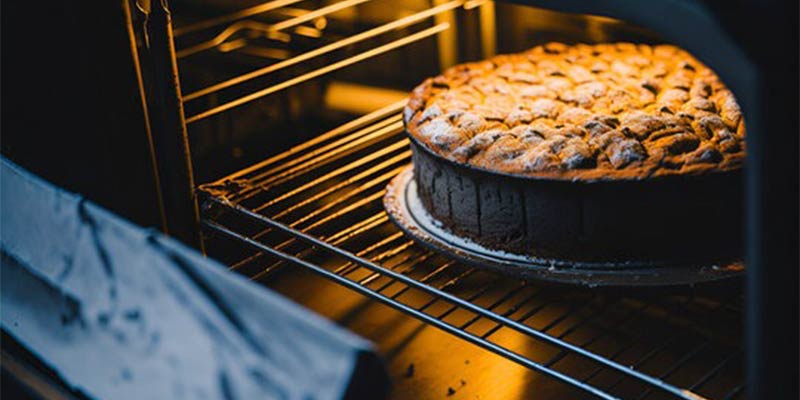
Always preheat your oven to the specified temperature before placing your cake inside. This ensures even baking and prevents the cake from sitting in a cold oven, which can affect rising and texture.
Know Your Oven
Familiarize yourself with your oven’s quirks. For example, some ovens may have hot spots that lead to uneven baking. Rotating your cake halfway through the baking process can help ensure even cooking.
Use Visual and Sensory Cues
Pay attention to visual and sensory cues to determine when your cake is done:
– **Color**: The cake should be golden brown and slightly pulling away from the sides of the pan.
– **Aroma**: A fragrant cake aroma is a good indicator that it’s nearly done.
– **Touch**: Gently press the center of the cake with your finger. It should spring back rather than leaving an indentation.
– **Toothpick Test**: Insert a toothpick or skewer into the center of the cake. If it comes out clean or with a few crumbs, the cake is done. Be cautious, as overbaking can occur if you rely solely on this test.
Adjusting Baking Time for Different Cake Types
Different types of cakes require specific baking times and techniques. Here are some common cake types and tips for baking them to perfection:
Butter Cakes
Butter cakes, which include pound cakes and classic layer cakes, rely on creamed butter and sugar for structure. These cakes typically bake at 350°F (175°C) and require 25-35 minutes for standard layers. Test for doneness as described earlier.
Sponge Cakes
Sponge cakes, including chiffon and angel food cakes, are light and airy. They often bake at lower temperatures, around 325°F (160°C), for longer periods, approximately 40-50 minutes. Use a gentle touch when testing for doneness.
Bundt Cakes
Bundt cakes are dense and rich, often requiring 50-60 minutes at 350°F (175°C). Their intricate designs can make testing a bit tricky, so rely on multiple cues to ensure doneness.
Cheesecakes
Cheesecakes are custard-based and require a lower baking temperature, typically 325°F (160°C). Bake them in a water bath for even cooking, which can take 45-60 minutes or more. They should have a slight jiggle in the center when done.
Common Baking Time Mistakes and Solutions
Even experienced bakers can encounter challenges with baking times. Here are some common mistakes and solutions:
Overbaking
Overbaking can result in a dry cake. To avoid this, set your timer for a few minutes less than the suggested time and check for doneness early. If the cake is browning too quickly, tent it with foil to prevent excessive browning.
Underbaking
Underbaked cakes can collapse or remain gummy. If your cake is underbaked, return it to the oven for additional time, checking every few minutes. Cover it with foil if necessary to prevent overbrowning.
Uneven Baking
Uneven baking can occur due to hot spots in your oven. Rotating the cake halfway through can help, as can using an oven thermometer to verify temperature accuracy.
Conclusion
Mastering the perfect cake baking time is an essential skill for any baker. By understanding the factors that affect baking time, using visual and sensory cues, and making necessary adjustments for different cake types, you can achieve flawless results every time. Remember, practice makes perfect, so don’t be discouraged by initial challenges. With patience and persistence, you’ll become a master of cake baking time, delighting friends and family with your delicious creations.