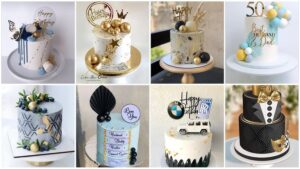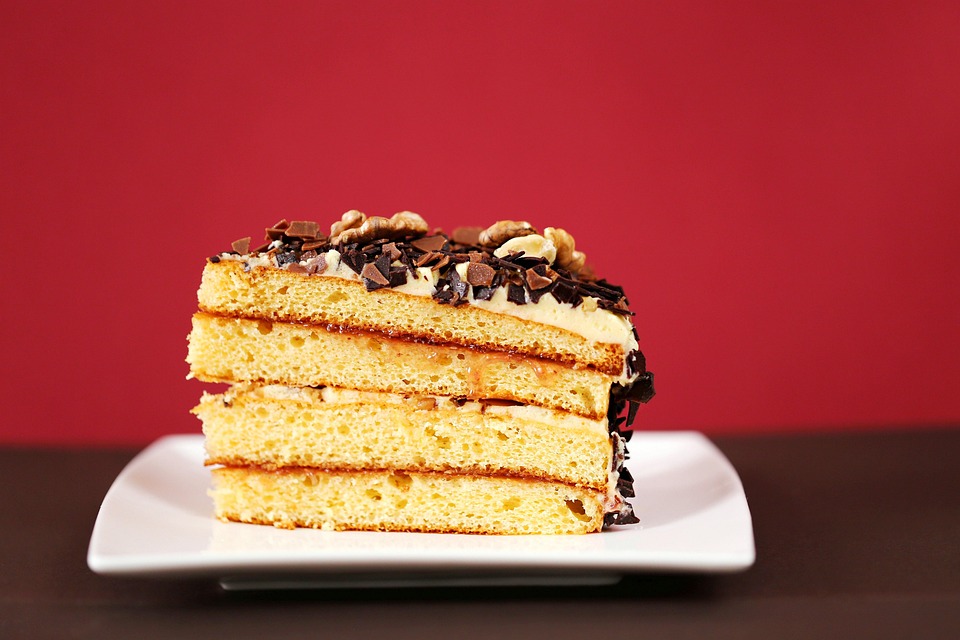
Cake layering is an art that transforms a simple dessert into an extraordinary centerpiece. Mastering this technique elevates not only the aesthetic appeal of your cakes but also enhances their texture and flavor. Whether you’re an amateur baker or a seasoned pastry chef, understanding the intricacies of cake layering can significantly enhance your baking repertoire. In this article, we’ll delve into the essential techniques and tips to help you master the art of cake layering and elevate your baking skills.
The Foundation: Baking the Perfect Cake Layers
The first step in mastering cake layering is to bake perfect cake layers. This involves understanding the right ingredients, techniques, and tools necessary to achieve consistent and even layers.
Choosing the Right Ingredients
– **Flour:** Opt for cake flour instead of all-purpose flour, as it has a lower protein content, resulting in a finer crumb and softer texture.
– **Sugar:** Granulated sugar is the standard, but superfine sugar can be used for more delicate cakes.
– **Butter:** Ensure your butter is at room temperature for even mixing.
– **Eggs:** Use large eggs, and if possible, bring them to room temperature before mixing.
– **Leavening Agents:** Baking powder and baking soda are crucial for achieving the right rise.
Baking Techniques for Even Layers
– **Measure Accurately:** Use a kitchen scale for precise measurements.
– **Mixing:** Cream the butter and sugar until light and fluffy, and be careful not to overmix once the flour is added to avoid a tough texture.
– **Panning:** Grease your cake pans and line them with parchment paper for easy release. Use the same size pans for uniform layers.
– **Leveling:** After pouring the batter, gently tap the pans on the counter to remove air bubbles.
– **Baking:** Preheat your oven and bake the layers on the middle rack for even heat distribution. Test doneness with a toothpick; it should come out clean.
Cooling and Preparing Cake Layers
Once your cake layers are baked, the next step is to cool and prepare them for stacking.
Cooling Techniques
– **Wire Racks:** Allow your cakes to cool in the pans for about 10 minutes, then transfer them to wire racks to cool completely.
– **Chill:** For easier handling, wrap the cooled layers in plastic wrap and chill them in the refrigerator for at least an hour. This firms up the cake, making it easier to cut and frost.
Leveling and Trimming
– **Leveling:** Use a serrated knife or a cake leveler to trim the top of each layer, creating a flat surface. This is crucial for ensuring stability when stacking.
– **Trimming:** If necessary, trim the sides to make sure each layer is of uniform thickness and size.
Filling and Stacking Cake Layers
The magic of a layered cake often lies in the filling, which can add flavor and moisture.
Choosing the Right Filling
– **Buttercream:** Classic choice available in various flavors like vanilla, chocolate, or coffee.
– **Ganache:** Adds a rich, chocolaty layer.
– **Fruit Preserves:** Provides a burst of flavor and color.
– **Whipped Cream:** Light and airy, perfect for delicate cakes.
Stacking Techniques
– **Secure the Base:** Use a dab of frosting to adhere the first layer to your cake board or stand.
– **Piping Dam:** Create a dam using frosting around the edge of the layer to prevent the filling from spilling out.
– **Even Layers:** Apply a generous amount of filling and spread evenly. Place the next layer on top and press gently to secure.
Crumb Coating and Final Frosting
Crumb coating and frosting are the final touches that bring your cake together.
Crumb Coating
– **Purpose:** A thin layer of frosting that seals in crumbs, ensuring a clean final coat.
– **Application:** Use an offset spatula to apply a thin layer of frosting over the entire cake. Chill the cake for about 30 minutes to set the crumb coat.
Final Frosting
– **Smooth Finish:** Apply a generous amount of frosting and smooth it out using a cake scraper. Work from the top down to achieve a seamless finish.
– **Decorative Touches:** Use piping bags for decorative borders or add textures with a spatula or comb.
Decorating Techniques to Elevate Your Cake
Once you’ve mastered the basics of layering and frosting, you can explore creative decorating techniques to make your cake stand out.
Fondant and Marzipan
– **Fondant:** Offers a smooth, polished finish and can be molded into various shapes.
– **Marzipan:** Almond-flavored paste that provides texture and flavor, ideal for covering cakes or creating decorative elements.
Edible Flowers and Fresh Fruits
– **Flowers:** Choose edible varieties like violets or pansies to add a natural, elegant touch.
– **Fruits:** Use berries, citrus slices, or other seasonal fruits for a fresh, vibrant look.
Piping and Stenciling
– **Piping:** Use different nozzles to create intricate designs like rosettes, stars, or shells.
– **Stenciling:** Apply powdered sugar or cocoa over stencils for a delicate pattern.
Troubleshooting Common Layering Issues
Even the most experienced bakers encounter challenges. Here are solutions to common cake layering problems.
Uneven Layers
– **Solution:** Use cake strips or wet towels around the pans to ensure even baking. Trim layers as needed.
Sliding Layers
– **Solution:** Ensure each layer is level and avoid overfilling. Chill between adding layers to firm up the filling.
Crumbly Texture
– **Solution:** This might be due to overbaking or incorrect ingredient ratios. Measure precisely and use a thermometer to check the oven temperature.
Conclusion
Mastering cake layering is a rewarding endeavor that combines precision, creativity, and skill. By understanding the fundamentals of baking, cooling, filling, and decorating, you can create stunning layered cakes that are as delicious as they are beautiful. With practice and experimentation, your cake layering skills will elevate, turning your kitchen into a bakery of delightful creations. So, gather your tools, choose your flavors, and start your journey towards mastering the art of cake layering.