Baking a cake is an art and a science. The delicate balance of ingredients, the precise measurements, and the timely application of heat all contribute to the creation of this universally beloved dessert. Among these factors, temperature plays a pivotal role. It can determine the texture, rise, and overall success of your cake. In this article, we will delve into the secrets of optimal temperature control in cake baking, helping you master this essential aspect of the craft.
The Importance of Temperature in Cake Baking
Temperature affects every stage of cake baking, from mixing the batter to the final bake. Understanding and controlling temperature can mean the difference between a cake that’s perfectly risen and one that’s dense or undercooked. Here’s why temperature is so crucial:
Ingredient Temperature
Starting with ingredient temperature, many recipes call for ingredients like butter, eggs, and milk to be at room temperature. This is not just a suggestion; it’s a necessity. Room temperature ingredients blend more smoothly, creating a uniform batter that traps air during mixing. This air helps the cake rise during baking, resulting in a light and fluffy texture.
Oven Temperature
The oven temperature directly impacts how a cake bakes. Too hot, and the cake might brown too quickly on the outside while remaining raw inside. Too cool, and the cake might not rise properly, leading to a dense texture. Therefore, achieving and maintaining the correct oven temperature is critical.
Preheating: The First Step to Success
Preheating the oven is a fundamental step that should never be skipped. It ensures that the cake begins baking at the right temperature from the start. Most recipes recommend preheating the oven for at least 15 minutes. This allows the oven to reach and stabilize at the desired temperature, providing a consistent heat source for the entire baking process.
The Role of Oven Thermometers
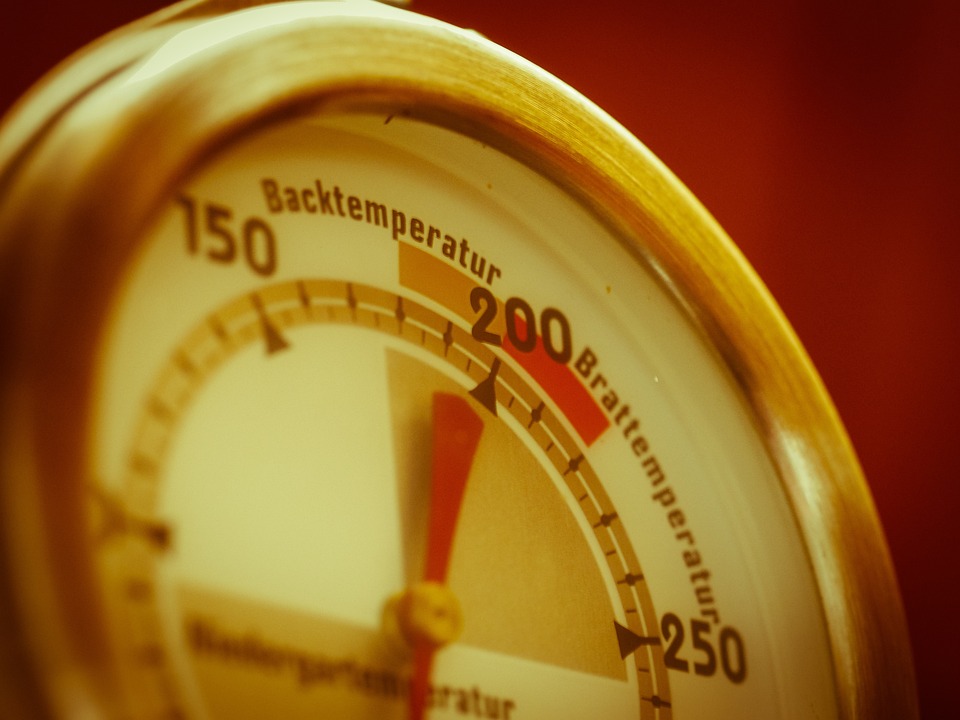
Relying solely on your oven’s built-in thermometer can be misleading, as many ovens can be off by as much as 25 degrees Fahrenheit. An oven thermometer placed inside the oven offers a more accurate reading, allowing you to adjust the temperature as needed. This small investment can greatly improve your baking results.
Finding the Optimal Baking Temperature
The optimal baking temperature varies depending on the type of cake you’re making. Here are some general guidelines for common cake types:
Sponge Cakes
Sponge cakes benefit from a slightly higher baking temperature, typically around 350°F (175°C). The higher heat helps create a firm structure quickly, supporting the airy texture characteristic of these cakes.
Butter Cakes
Butter cakes, such as pound cakes, are usually baked at a moderate temperature of 325°F (160°C). This slower bake allows the butter to melt evenly, resulting in a moist and tender crumb.
Angel Food Cakes
Angel food cakes require a gentle temperature of around 325°F (160°C). The low temperature ensures the cake rises evenly without browning too quickly, preserving its delicate white color.
Adjusting for Specific Ingredients
Certain ingredients can affect how a cake bakes, necessitating temperature adjustments:
Chocolate
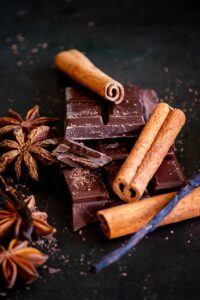
Cakes with chocolate or cocoa powder may need a slightly lower temperature to prevent the chocolate from scorching. Reducing the oven temperature by 25 degrees Fahrenheit can help achieve a perfectly baked chocolate cake.
Fruits and Nuts
Cakes containing fruits or nuts may require a longer baking time at a slightly lower temperature to ensure even cooking. This prevents the outer edges from drying out before the center is fully baked.
Temperature Control During Baking
Once the cake is in the oven, maintaining the correct temperature is crucial. Here are some tips for optimal temperature control:
Positioning in the Oven
The placement of the cake in the oven can affect how it bakes. For even heat distribution, place the cake on the middle rack. Avoid placing it too close to the top or bottom, as this can cause uneven browning.
Avoiding Frequent Oven Opening
Opening the oven door frequently can cause temperature fluctuations, impacting the cake’s rise and texture. Resist the urge to peek until the cake is near the end of its baking time.
Signs of Temperature Issues
Understanding how to recognize signs of temperature issues can help you address problems quickly:
Cake Browning Too Quickly
If the cake is browning too quickly, the oven temperature may be too high. Lower the temperature by 25 degrees Fahrenheit and cover the cake with aluminum foil to prevent further browning.
Cake Not Rising
A cake that doesn’t rise properly might indicate a temperature that’s too low. Check your oven thermometer and adjust the temperature as needed.
Cooling and Storage Temperature
Temperature control doesn’t end when the cake comes out of the oven. Proper cooling and storage are vital for maintaining the cake’s quality:
Cooling
Allow the cake to cool in the pan for 10-15 minutes before transferring it to a wire rack. This prevents the cake from breaking apart and ensures even cooling.
Storage
For short-term storage, keep the cake at room temperature, covered with plastic wrap or a cake dome to prevent drying. For longer storage, consider refrigerating the cake, but allow it to come to room temperature before serving for optimal texture and flavor.
Conclusion
Mastering the art of cake baking requires a keen understanding of temperature control at every stage of the process. From preheating the oven to adjusting for specific ingredients, each step plays a crucial role in achieving a perfect cake. By paying attention to these temperature secrets, you can elevate your baking skills and consistently produce delicious, beautifully baked cakes. With practice and attention to detail, you’ll soon find yourself baking like a pro, delighting friends and family with your delicious creations.