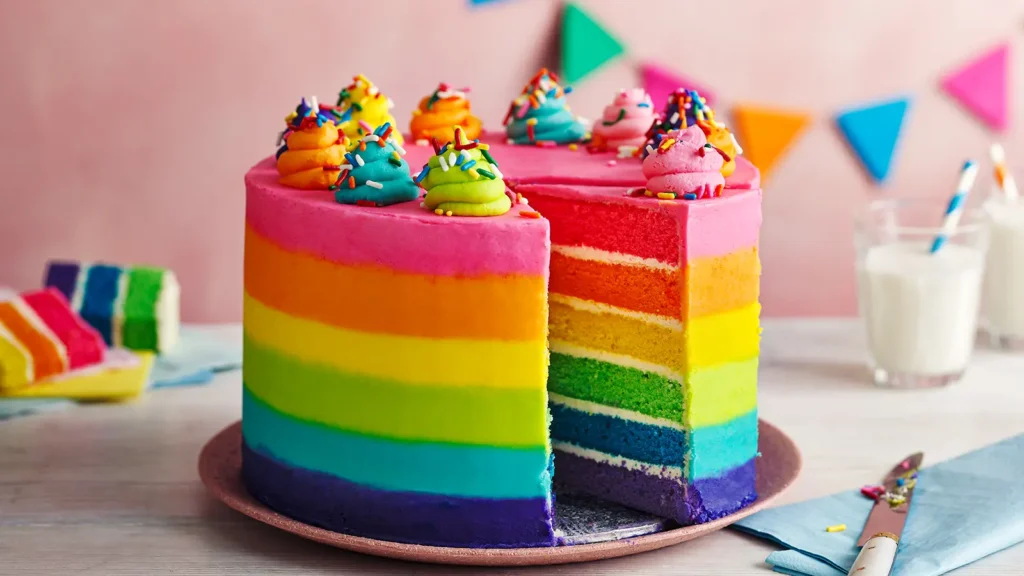
Cake artistry is an exquisite form of culinary art that combines baking with creative design to produce visually stunning desserts. A critical component of cake artistry is food coloring, which adds vibrancy and personality to cakes, transforming them from mere confections into works of art. Whether you’re a professional baker or a hobbyist, understanding the nuances of food coloring can greatly enhance your cake decorating skills. In this article, we delve into essential food coloring tips to help you master cake artistry.
Understanding Food Coloring Types
Not all food colorings are created equal; each type has its unique properties and uses. Here’s a breakdown of the most common types of food colorings used in cake artistry:
Liquid Food Coloring
Liquid food coloring is the most widely available and affordable option. It is perfect for basic cake decorating tasks, such as adding pastel shades to icing or batter. However, it is less concentrated, which means you may need to use more to achieve vibrant colors, potentially altering the consistency of your icing or batter.
Gel Food Coloring
Gel food coloring is highly concentrated, allowing you to achieve vivid colors with just a small amount. Its thick consistency is ideal for coloring batters, icings, and fondants without affecting their texture. Gel colors are particularly popular among professional bakers for their versatility and ease of use.
Paste Food Coloring
Paste food coloring is similar to gel but even more concentrated. It’s excellent for achieving deep, rich hues and is often used when working with fondant or gum paste. However, it can be challenging to mix evenly, so a little patience and practice are required.
Powdered Food Coloring
Powdered food coloring is a dry, concentrated form that is perfect for applications where moisture is a concern. It can be mixed with other dry ingredients or dissolved in a small amount of alcohol to create a paint for detailed designs. It’s particularly useful for airbrushing and for coloring chocolate.
Natural Food Coloring
Derived from natural sources like fruits, vegetables, and spices, natural food coloring is a healthier alternative to synthetic options. Although they provide a more limited color range and can be less vibrant, they are ideal for those looking to avoid artificial additives.
Choosing the Right Food Coloring for Your Needs
Selecting the appropriate type of food coloring is crucial for achieving the desired effect on your cake. Here’s how you can make the right choice:
Consider the Medium
Different mediums (like icing, fondant, or batter) react differently to food colorings. For instance, liquid coloring might be ideal for a light buttercream, while gel or paste coloring suits denser mediums like fondant. Understanding how each medium interacts with different colorings can guide your choice.
Determine the Desired Intensity
If you need bold, vibrant colors, opt for gel or paste coloring. For pastel shades, liquid or natural colorings can suffice. Remember that colors often deepen as they sit, so factor this into your decision-making process.
Evaluate the Ingredients
If you’re concerned about dietary restrictions or preferences, such as avoiding artificial additives, natural food coloring is your best bet. Always check the labels for ingredients that might not align with your dietary needs.
Color Mixing Techniques
Mastering color mixing is an essential skill in cake artistry. Here are some tips to help you achieve the perfect shade every time:
Start Small
Always begin with a small amount of coloring and gradually add more until you reach the desired shade. It’s easier to darken a color than to lighten it, so proceed with caution.
Use a Color Wheel
A color wheel is an invaluable tool for understanding how different colors interact with each other. By using a color wheel, you can learn how to mix primary colors to create secondary and tertiary hues, as well as how to adjust tones and shades.
Test on a Small Sample
Before committing to a color on your entire cake, test it on a small sample of the medium you’re working with. This allows you to make adjustments without risking the entire batch.
Understand Color Theory
Familiarize yourself with basic color theory principles, such as complementary colors (colors opposite each other on the color wheel that, when combined, cancel each other out) and analogous colors (colors next to each other on the wheel that blend harmoniously). This knowledge will help you create visually appealing color schemes.
Tips for Consistent and Even Coloring
Achieving consistent and even coloring is key to a professional-looking cake. Here are some strategies to ensure uniform color application:
Room Temperature Ingredients
Ensure all your ingredients are at room temperature before adding food coloring. Cold ingredients can affect how the color disperses, leading to uneven coloring.
Use a Toothpick
When using gel or paste coloring, use a toothpick to add small amounts of color at a time. This method allows for precise control over the amount of coloring used and helps prevent over-coloring.
Mix Thoroughly
Take the time to mix your coloring thoroughly, especially when working with thick mediums like fondant. Knead or stir until the color is evenly distributed, and no streaks remain.
Allow Time for Color Development
Colors often deepen as they sit. If possible, prepare your colored icing or fondant a day in advance to allow the color to develop fully. This also helps when matching colors across different elements of your cake.
Food Safety and Storage Considerations
When working with food colorings, it’s important to keep food safety and storage in mind. Here are some tips to ensure your colored creations are safe and delicious:
Check Expiry Dates
Always check the expiration dates of your food colorings before use. Expired colorings can lose potency and may not provide the desired results.
Store Properly
Store your food colorings in a cool, dry place away from direct sunlight. Exposure to heat and light can degrade the color intensity over time.
Use Clean Tools
Always use clean tools when handling food colorings to prevent contamination. Cross-contamination can affect both the color and safety of your cake.
Conclusion: Elevating Your Cake Artistry with Food Coloring
Mastering food coloring techniques is an essential step in elevating your cake artistry. By understanding the different types of food colorings, choosing the right one for your needs, mastering color mixing, achieving consistent application, and adhering to food safety practices, you can create stunning cakes that are as visually appealing as they are delicious. With practice and a keen eye for color, you can transform your cakes into true masterpieces that delight both the eyes and the palate.