Baking a cake is both an art and a science, requiring precision, creativity, and high-quality ingredients. Whether you are a novice baker or a seasoned pastry chef, understanding the essential components that go into a cake can elevate your baking game and ensure delicious results every time. In this article, we will delve into the ultimate cake ingredients list, exploring the roles each component plays and how to select the best products for your baking endeavors.
Flour: The Foundation of Cakes
Flour is the backbone of any cake, providing structure and texture. The type of flour you choose can greatly impact the final product. Generally, all-purpose flour is the go-to choice for most cakes because of its balanced protein content, which provides sufficient gluten formation without making the cake too dense. However, for lighter, more tender cakes, like sponge or chiffon, cake flour is preferred due to its lower protein content.
Sugar: Sweetness and More
Sugar does more than just sweeten your cake. It plays a crucial role in the creaming process, helping to aerate the batter for a light and fluffy texture. Granulated white sugar is typically used in cakes, but brown sugar can add a deeper, caramel-like flavor and moisture. For those looking to cut back on refined sugar, alternatives like coconut sugar, honey, or maple syrup can be experimented with, keeping in mind that they may alter the cake’s texture and flavor.
Eggs: The Binding Agent
Eggs are vital in cake baking, acting as emulsifiers that help bind the ingredients together. They also provide moisture and contribute to the cake’s structure. The yolks add richness, while the whites help with leavening. For egg-free cakes, substitutes such as applesauce, mashed bananas, or commercial egg replacers can be used, although they may affect the cake’s texture and rise.
Dairy: Moisture and Flavor
Milk
Milk adds moisture and flavor to cakes. It also contributes to the cake’s browning due to the sugars and proteins present in it. Whole milk is often recommended for its rich flavor and fat content, though skim or non-dairy alternatives like almond or soy milk can be used for lighter or vegan cakes.
Buttermilk
Buttermilk is a magical ingredient in cake baking. Its acidity helps tenderize gluten, resulting in a softer cake. It also reacts with baking soda to aid in leavening. If buttermilk is not on hand, a simple mixture of milk and vinegar or lemon juice can mimic its effects.
Fats: Richness and Tenderness
The type of fat used in cake baking affects its flavor, texture, and moisture content. Butter is a popular choice for its flavor and ability to create a creamy texture. Margarine or shortening can be used for a more tender crumb, while oils such as vegetable or canola can create a moist cake. For a unique flavor, try using coconut oil or olive oil, but be mindful of their distinct tastes.
Leavening Agents: Lift and Lightness
Leavening agents are crucial for making cakes rise, resulting in a light and airy texture. Baking powder and baking soda are the most commonly used leavening agents. Baking powder contains both an acid and a base, allowing it to work independently, while baking soda requires an acidic ingredient to activate. Ensure these ingredients are fresh, as stale leavening agents can lead to dense cakes.
Flavorings: Enhancing Taste
Vanilla Extract
Vanilla extract is the quintessential flavoring in cake baking, adding depth and warmth to any recipe. Opt for pure vanilla extract over imitation for a more authentic taste.
Other Extracts and Flavorings
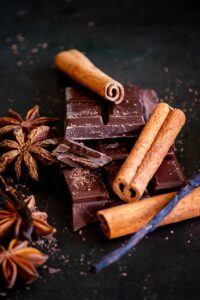
Beyond vanilla, explore other extracts like almond, lemon, or peppermint to add unique flavors to your cakes. Additionally, spices such as cinnamon, nutmeg, or cardamom can elevate the taste profile of your cake, making it stand out.
Salt: Balancing Flavors
Though used in small amounts, salt is essential in cake baking. It enhances the flavors of other ingredients, balances sweetness, and strengthens the gluten network, contributing to the cake’s overall structure.
Add-Ins: Texture and Surprise
Fruits
Fresh, dried, or canned fruits can add moisture, flavor, and visual appeal to cakes. Consider incorporating berries, bananas, or apples for a fresh taste, or dried fruits like raisins or apricots for sweetness and texture.
Nuts
Nuts provide a satisfying crunch and depth of flavor. Walnuts, pecans, almonds, or hazelnuts can be chopped and folded into the batter or used as a decorative topping.
Chocolate
Chocolate, whether in the form of chips, chunks, or cocoa powder, is a beloved cake ingredient. It adds richness and indulgence, perfect for chocolate lovers. Be sure to use high-quality chocolate for the best results.
Tools of the Trade
While ingredients are crucial, having the right tools can make the baking process smoother and more efficient. Ensure you have the following essentials at hand:
- Mixer: A stand or hand mixer will help you achieve the perfect batter consistency.
- Baking Pans: Invest in good-quality, non-stick pans to ensure even baking and easy release.
- Measuring Cups and Spoons: Accurate measurements are key to baking success.
- Spatulas: Silicone spatulas are great for folding and scraping batter.
- Cooling Racks: Proper cooling prevents soggy bottoms and allows cakes to set perfectly.
Mastering the ultimate cake ingredients list is a journey that combines understanding the science of baking with the joy of experimentation. By selecting high-quality ingredients and using them effectively, you can create cakes that are not only delicious but also a testament to your skills and creativity. So, gather your ingredients, preheat your oven, and start baking your way to mastering the ultimate cake ingredients list today!
#ChatGPT assisted in the creation of this article.