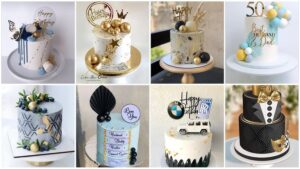
Decorating a cake is an art that transforms a simple dessert into a masterpiece. One of the most essential tools in a cake decorator’s toolkit is the piping nozzle. These small, metal tips can create a myriad of designs, textures, and patterns, turning a plain cake into a visually stunning creation. This guide will take you through the intricacies of master piping nozzles, helping you choose the right ones and maximize their potential.
Understanding Piping Nozzles
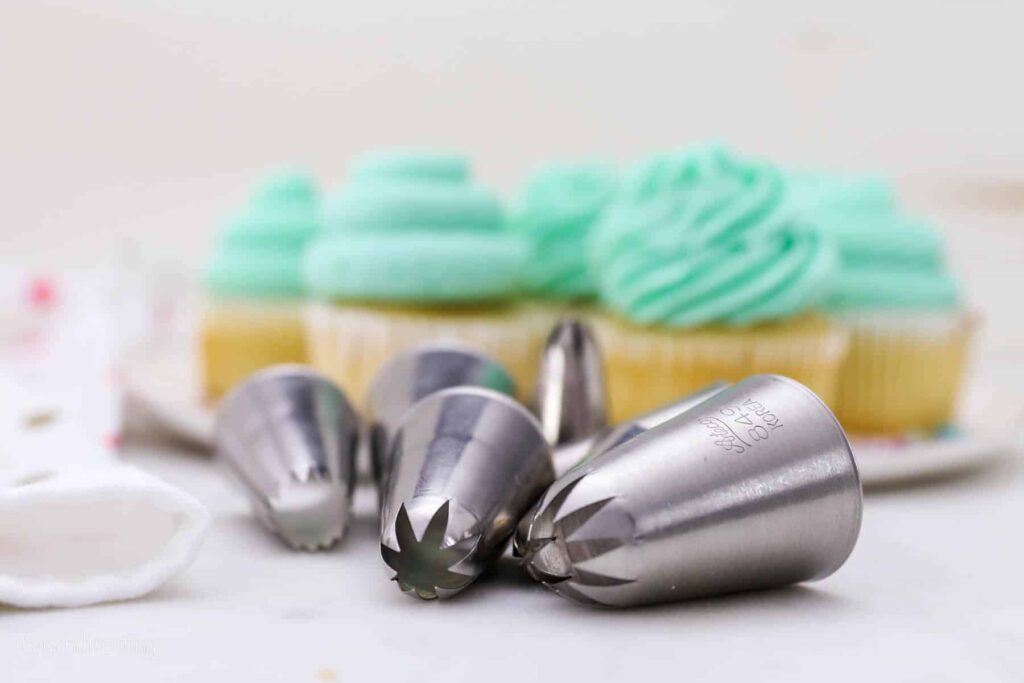
Piping nozzles, also known as icing tips, are conical tools attached to a piping bag to control the flow and shape of the icing as it is applied. They come in various shapes and sizes, each designed to create specific patterns and effects.
Types of Piping Nozzles
Piping nozzles are categorized based on their shapes, such as round, star, leaf, petal, and specialty nozzles. Each category serves a different purpose and contributes to the versatility of cake decoration.
Material and Construction
Most piping nozzles are made from stainless steel due to its durability, resistance to rust, and ease of cleaning. Some nozzles are made from plastic, which is cost-effective and suitable for beginners.
Choosing the Right Piping Nozzles
Selecting the appropriate piping nozzle is crucial for achieving the desired effect on your cake. Here are some factors to consider when choosing nozzles:
Design and Pattern
Determine the patterns you wish to create. For example, round tips are ideal for dots and writing, while star tips are perfect for creating stars and swirls.
Size
Piping nozzles come in various sizes, affecting the thickness of the icing lines or patterns. A larger nozzle will produce broader designs, whereas smaller nozzles offer precision for intricate details.
Skill Level
Beginners should start with basic nozzle shapes, such as round and star, as they are easier to control. As you gain confidence, you can experiment with more complex shapes like petal and leaf nozzles.
Mastering Basic Piping Techniques
Understanding basic piping techniques is essential for leveraging the full potential of your nozzles. Here are some fundamental techniques every cake decorator should master:
Basic Piping Techniques
– **Pressure Control**: Consistent pressure is key to achieving uniform designs. Practice squeezing the piping bag gently and evenly.
– **Angle and Position**: The angle at which you hold the piping bag affects the outcome. For example, holding it vertically creates dots, while a 45-degree angle is best for writing.
– **Steady Hand**: Keeping a steady hand ensures smooth lines and curves. Practice piping straight lines and circles to improve hand stability.
Creating Classic Designs
– **Rosettes**: Use a star nozzle to pipe rosettes by starting at the center and spiraling outward.
– **Shells**: Pipe shells by applying pressure, pulling away, and then releasing pressure to form a shell shape.
– **Ruffles**: Use a petal nozzle to create ruffles by moving the nozzle back and forth while applying pressure.
Advanced Piping Techniques
Once you’ve mastered the basics, you can explore more advanced techniques to elevate your cake designs:
Intricate Flowers
– **Roses**: Achieve beautiful roses using a petal nozzle. Start with a cone-shaped base and pipe petals around it, gradually increasing the size.
– **Daisies**: Use a leaf nozzle to create daisy petals, piping them around a central dot.
Basket Weave
The basket weave technique involves using a basketweave nozzle to create a woven pattern on the cake’s surface. This effect is perfect for rustic-themed cakes.
Lace and Filigree
Create delicate lace patterns or intricate filigree designs using small round nozzles. These designs add elegance and sophistication to any cake.
Decorating Tips and Tricks
To refine your skills and achieve professional results, consider the following decorating tips and tricks:
Practice on a Flat Surface
Before piping directly onto a cake, practice on a flat surface like parchment paper. This allows you to perfect your technique without the pressure of decorating the final product.
Use a Turntable
A rotating cake turntable makes it easier to pipe intricate designs and ensures even coverage as you can easily rotate the cake while decorating.
Experiment with Colors
Use food coloring to create vibrant icing hues. Experiment with different color combinations to add depth and interest to your designs.
Cleaning and Maintenance
Proper cleaning and maintenance of your piping nozzles will ensure their longevity and optimal performance:
Cleaning Tips
– Rinse nozzles immediately after use to prevent icing from hardening inside.
– Use a small brush to clean the interior of the nozzle thoroughly.
– Dry the nozzles completely before storing to prevent rust.
Storage
Store piping nozzles in a dedicated container or box to keep them organized and prevent damage. Consider labeling the compartments for easy identification.
Conclusion
Mastering the art of cake decoration with piping nozzles opens up a world of creative possibilities. From simple designs to intricate patterns, the right nozzles and techniques can transform your cakes into eye-catching works of art. With practice and experimentation, you’ll gain confidence in your abilities and delight in the joy of creating beautifully decorated cakes. Whether you’re a beginner or an experienced decorator, understanding and mastering piping nozzles will elevate your cake decorating skills to new heights.