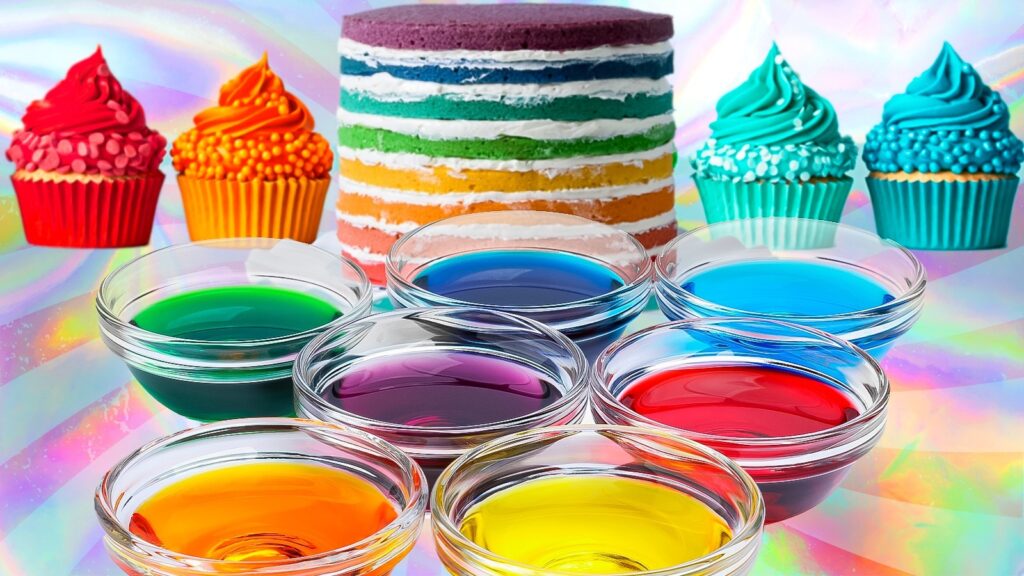
Food coloring plays an essential role in baking and culinary arts, transforming plain-looking dishes into vibrant creations. Among the types available, gel and liquid food colorings are the most popular. Each type has its own set of characteristics, advantages, and limitations. This article explores the differences between gel and liquid food coloring, helping you determine which is better suited for your needs.
Understanding Food Coloring
Food coloring is an additive that imparts color to food and beverages. It is used to enhance appearance, match a theme, or create a visually appealing product. Food colorings come in various forms, including powders, gels, and liquids.
What is Gel Food Coloring?
Gel food coloring is a concentrated form of colorant with a gel-like consistency. It is made by suspending pigment in a base of corn syrup or glycerin. Gel food colorings are known for their intensity and are often used by professional bakers and chefs.
Advantages of Gel Food Coloring
1. Intensity and Vibrancy
Gel food coloring is more concentrated than liquid food coloring, providing rich and vibrant colors with a small amount. This makes it ideal for bold designs and themes.
2. Less Liquid
Because of its concentrated nature, gel food coloring adds minimal liquid to recipes. This is especially beneficial in recipes where the consistency is crucial, such as icings, fondants, and doughs.
3. Long-Lasting
A little goes a long way with gel food coloring, meaning that a single container can last a long time. This makes it a cost-effective choice for regular bakers.
Disadvantages of Gel Food Coloring
1. Difficult to Blend
The thick consistency of gel food coloring can make it harder to blend into ingredients evenly, especially in large batches. It may require extra effort to achieve a uniform color.
2. Limited Availability
Gel food colorings are not as widely available as liquid colorings and may not be stocked in all grocery stores. They are more commonly found in specialty baking shops or online.
What is Liquid Food Coloring?
Liquid food coloring is a water-based colorant that is less concentrated than gel food coloring. It is the most common form of food coloring available and is often found in basic grocery stores.
Advantages of Liquid Food Coloring
1. Easy to Use
Liquid food coloring is straightforward to use and blends easily into liquids or batters. Its fluid consistency allows for quick and uniform mixing.
2. Widely Available
Liquid food coloring is readily available in most grocery stores, making it accessible for casual bakers or those in need of a quick solution.
3. Affordable
Generally, liquid food coloring is less expensive than gel food coloring, making it a budget-friendly option for occasional use.
Disadvantages of Liquid Food Coloring
1. Less Intensity
Liquid food coloring is less concentrated than gel, often requiring more product to achieve the desired color intensity. This can lead to less vibrant results.
2. Alters Consistency
Adding too much liquid food coloring can alter the consistency of recipes, potentially affecting the texture of baked goods and icings.
Gel vs Liquid Food Coloring: A Comparison
When deciding between gel and liquid food coloring, consider the following factors:
Intensity and Vibrancy
Gel food coloring is more concentrated, providing intense and vibrant colors with minimal product. Liquid food coloring requires more product for similar results, which can make colors appear less vibrant.
Ease of Use
Liquid food coloring is easy to use and mixes well with other ingredients. Gel food coloring may require more effort to blend evenly into recipes.
Impact on Recipe Consistency
Gel food coloring adds minimal liquid to recipes, preserving the desired consistency. In contrast, excessive use of liquid food coloring can alter the texture of the product.
Availability and Cost
Liquid food coloring is widely available and typically more affordable. Gel food coloring may be harder to find and slightly more expensive, but it is more cost-effective in the long run due to its concentration.
Applications of Gel and Liquid Food Coloring
Different types of food coloring are better suited for different applications:
Gel Food Coloring
– Best for coloring icings, fondants, and doughs where consistency is crucial.
– Ideal for creating rich, vibrant colors in cake decorating and sugarcraft.
– Suitable for professional bakers and serious hobbyists.
Liquid Food Coloring
– Suitable for light applications, such as coloring batters or beverages.
– Convenient for casual bakers or quick recipes.
– Adequate for simple designs and less intense colors.
Conclusion
The choice between gel and liquid food coloring depends on your specific needs and preferences. Gel food coloring is perfect for those seeking intense colors without altering recipe consistency, making it a favorite among professionals. Liquid food coloring, on the other hand, is more accessible and user-friendly, ideal for casual baking and less intense applications.
Ultimately, both gel and liquid food colorings have their place in the kitchen. Understanding their differences and respective advantages can help you make an informed decision, ensuring your culinary creations are as visually stunning as they are delicious.