When it comes to baking the perfect cake, one of the most crucial decisions you’ll make is selecting the right type of flour. Flour forms the backbone of any cake, influencing its texture, flavor, and overall success. Among the various types of flour available, cake flour and all-purpose flour are two of the most commonly used in cake recipes. Understanding the differences between these two flours can help you achieve the desired outcome for your cakes. This article delves into the characteristics of cake flour and all-purpose flour, their applications, and how to choose the right one for your baking needs.
Understanding Flour Types
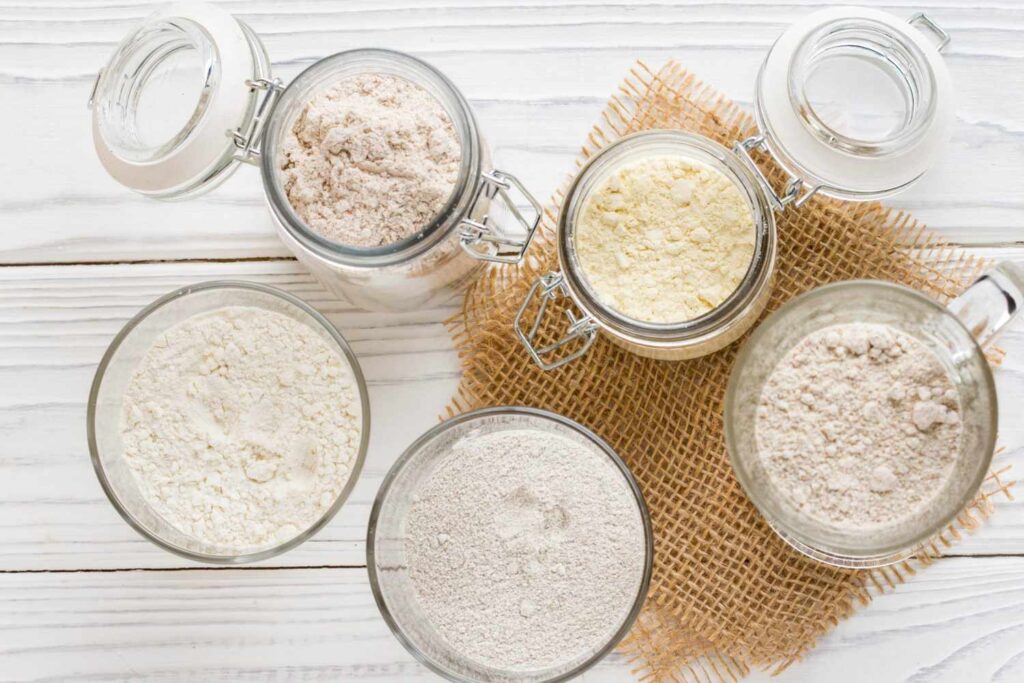
Flour is a powder made by grinding raw grains, roots, beans, nuts, or seeds. In baking, wheat flour is most commonly used due to its gluten-forming properties, which provide structure to baked goods. There are various types of wheat flour, each with distinct characteristics that affect the outcome of a recipe.
Cake Flour
Cake flour is a finely milled flour made from soft wheat. It has a lower protein content, usually around 7-9%, compared to other types of flour. This low protein content results in less gluten formation, which is ideal for creating tender and light cakes. Cake flour is also bleached, which further weakens gluten and alters the flour’s ability to absorb liquids and fats, contributing to a finer, more delicate crumb.
All-Purpose Flour
As the name suggests, all-purpose flour is a versatile flour that can be used for a wide range of baking and cooking applications. It is made from a blend of hard and soft wheat and has a moderate protein content of about 10-12%. This higher protein content means more gluten formation, making it suitable for denser baked goods like bread and cookies, as well as some cakes. All-purpose flour is available in both bleached and unbleached varieties, with the former providing a slightly softer texture.
Applications in Baking
Each type of flour has its strengths and is suited to specific kinds of cakes and baking techniques. Understanding when and how to use cake flour versus all-purpose flour can elevate your baking results.
When to Use Cake Flour
Cake flour is ideal for recipes where a tender, airy, and delicate crumb is desired. It is particularly well-suited for:
– **Sponge Cakes**: These cakes rely on whipped egg whites for leavening and benefit from the lightness that cake flour provides.
– **Angel Food Cakes**: The absence of fat in angel food cakes makes the tenderizing properties of cake flour essential.
– **Chiffon Cakes**: The fine crumb and soft texture of cake flour complement the unique texture of chiffon cakes.
– **Layer Cakes**: For a classic, soft, and moist layer cake, cake flour can be a great choice.
When to Use All-Purpose Flour
All-purpose flour is the go-to flour for many baking applications due to its versatility. It is suitable for:
– **Pound Cakes**: The structure provided by the higher protein content is perfect for the dense texture of pound cakes.
– **Bundt Cakes**: These cakes can benefit from the additional structure that all-purpose flour offers.
– **Chocolate Cakes**: The robust flavor of chocolate can stand up to the slightly denser texture of cakes made with all-purpose flour.
– **Quick Breads and Muffins**: While not traditional cakes, these baked goods often rely on all-purpose flour for their structure and crumb.
Substituting Flour Types
There may be occasions when you need to substitute one type of flour for another. While not always ideal, it is possible to make some adjustments to achieve a similar outcome.
Substituting All-Purpose Flour for Cake Flour
If you find yourself without cake flour, you can make a substitute using all-purpose flour. For every cup of cake flour required, measure out one cup of all-purpose flour, remove two tablespoons, and replace them with two tablespoons of cornstarch. Sift the mixture several times to ensure even distribution. This method reduces the protein content and mimics the properties of cake flour.
Substituting Cake Flour for All-Purpose Flour
While less common, if you need to use cake flour in place of all-purpose flour, you may need to adjust the liquid content in your recipe slightly, as cake flour absorbs less liquid. Additionally, consider increasing the protein content by adding a tablespoon or two of vital wheat gluten if the recipe requires significant structure.
Factors to Consider When Choosing Flour
Selecting the right flour goes beyond the type of cake you are making. Several factors can influence your decision-making process:
Texture and Crumb
Consider the desired texture and crumb of your cake. If you aim for a light, airy texture, cake flour is the better choice. For a denser, more structured cake, all-purpose flour is suitable.
Flavor
The flavor of your cake can also guide your flour choice. Delicate flavors, such as vanilla or citrus, may be better highlighted with cake flour, while rich, bold flavors like chocolate can hold up to the stronger structure of all-purpose flour.
Baking Experience and Preferences
Your personal baking experience and preferences can influence your choice. Experienced bakers may prefer the consistency and predictability of cake flour for certain recipes, while others might enjoy the versatility and accessibility of all-purpose flour.
Conclusion
Choosing between cake flour and all-purpose flour is a key decision in baking that can significantly impact the outcome of your cakes. By understanding the differences in protein content, texture, and application, you can make informed choices that align with your baking goals. Whether you’re aiming for a light and tender crumb or a more robust and structured cake, selecting the appropriate flour will help you achieve the perfect bake every time. Keep in mind the desired texture, flavor, and personal preferences as you experiment with these flours to create delicious and memorable cakes.