Whipping cream is a staple in the kitchen, especially for those who enjoy baking and creating desserts. Its versatility and rich texture make it indispensable, whether you’re folding it into a mousse, topping a pie, or enhancing a cake. Despite its common usage, achieving the perfect peaks with whipping cream can be a challenge for many. This article delves into the art and science of mastering whipping cream, offering expert tips to help you achieve the perfect consistency every time.
Understanding Whipping Cream
Before diving into techniques, it’s essential to understand what whipping cream is and why it behaves the way it does. Whipping cream, also known as heavy cream, contains a high-fat content—typically around 36% or more. This fat content is crucial for its ability to hold air when whipped, eventually forming peaks. The whipping process involves incorporating air into the cream, creating a stable foam that can hold its shape.
Choosing the Right Cream
Not all creams are created equal, and choosing the right type of cream is the first step in achieving perfect peaks. Here are some considerations:
1. **Fat Content**: Aim for cream with a fat content of at least 36%-40%. Lower fat content may not whip well and can result in a runny texture.
2. **Freshness**: Use fresh cream. Older cream may not whip as well and can sometimes lead to a grainy texture.
3. **Avoid Ultra-Pasteurized**: While ultra-pasteurized cream has a longer shelf life, it doesn’t whip as well as regular pasteurized cream. The high heat process alters the proteins, which can affect the cream’s ability to form stable peaks.
Preparation is Key
Once you’ve selected the right cream, preparation becomes vital. Here are some preparatory steps to ensure success:
1. **Chill Everything**: The cream, bowl, and beaters or whisk should all be chilled before you start. Cold temperatures help stabilize the fat, making it easier to incorporate air. Place them in the refrigerator for at least 15-30 minutes before you start whipping.
2. **Choose the Right Equipment**: A metal bowl is ideal as it retains cold better than plastic. If using an electric mixer, ensure the beaters are clean and free from any grease or residue, which can prevent the cream from whipping properly.
Whipping Techniques
Now that everything is prepared, it’s time to whip your cream. Here are expert techniques to follow:
1. **Start Slow**: Begin whipping at a slow speed to avoid splattering and to allow the cream to thicken gradually.
2. **Gradually Increase Speed**: Once the cream begins to thicken, increase the speed. This will help to incorporate more air and speed up the process.
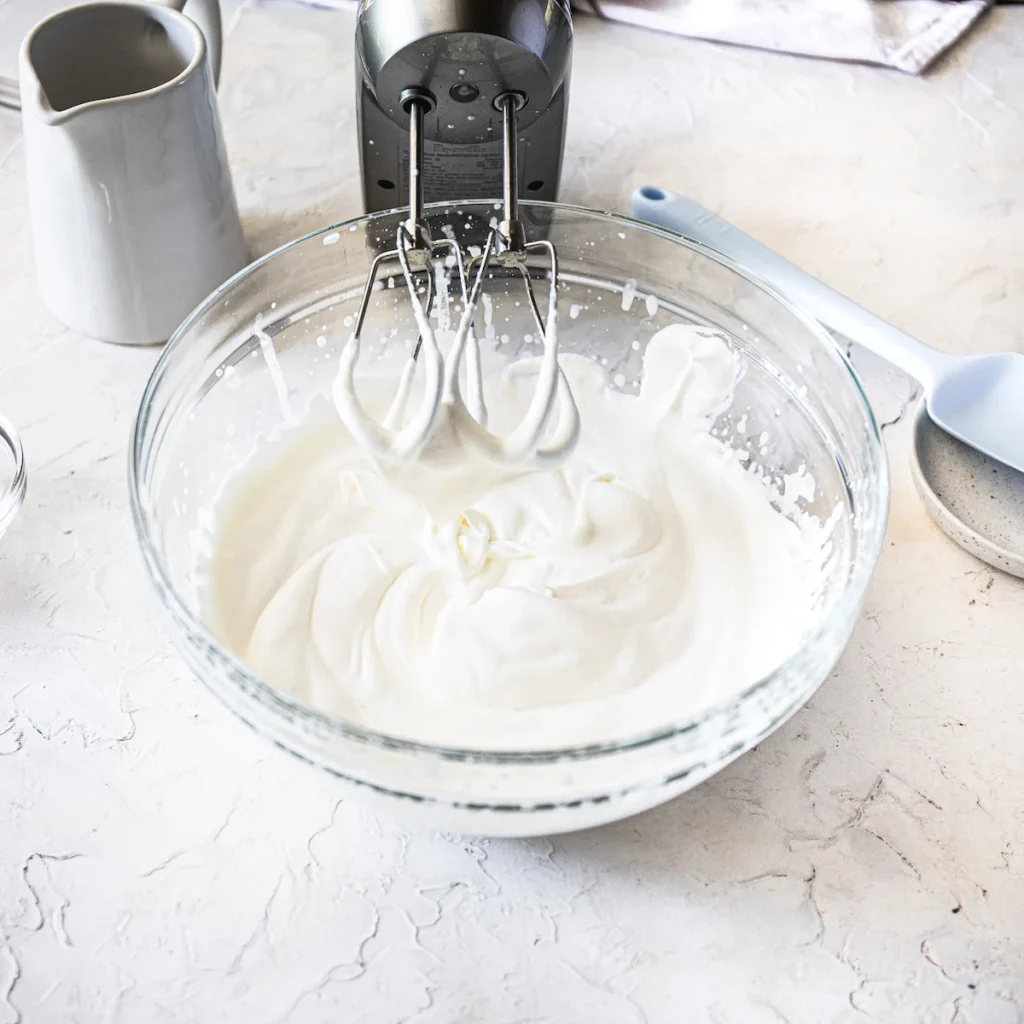
3. **Watch Closely**: Don’t walk away. Whipped cream can go from perfect to over-whipped in a matter of seconds. You’re aiming for soft peaks that hold their shape but still have a smooth, creamy texture.
4. **Add Sugar Carefully**: If you’re sweetening your cream, add sugar gradually once the cream has started to thicken. Powdered sugar is often preferred as it dissolves more quickly and evenly than granulated sugar.
5. **Flavoring**: Vanilla extract is a classic addition, but feel free to experiment with other flavors such as almond extract or a splash of liqueur. Add these once the cream has started to thicken, similar to sugar.
Recognizing the Different Stages
Understanding the stages of whipped cream can be helpful in achieving the desired consistency:
1. **Soft Peaks**: The cream will hold a peak but will collapse shortly after. This stage is perfect for folding into desserts or when a softer texture is desired.
2. **Medium Peaks**: The cream holds its shape better and is ideal for topping desserts when you want a bit more structure.
3. **Stiff Peaks**: The cream is firm and holds its shape without collapsing. Perfect for piping or when a more defined appearance is needed.
4. **Over-Whipped**: If the cream looks grainy or starts to turn into butter, it’s over-whipped. Stop immediately, as continuing will only make it worse. To salvage, you can try folding in a little more unwhipped cream to soften the texture.
Common Mistakes and How to Avoid Them
Even with the best techniques, mistakes can happen. Here’s how to troubleshoot common problems:
1. **Runny Cream**: This can occur if the cream is not cold enough or if you’ve used cream with too low a fat content. Ensure everything is properly chilled and choose the right cream.
2. **Grainy Texture**: Usually a sign of over-whipping. Once you notice the texture changing, stop whipping immediately and try to incorporate more unwhipped cream.
3. **Flat Whip**: This can happen if there’s any grease on your equipment. Ensure everything is clean before starting.
Innovative Uses for Whipped Cream
Once you’ve mastered the art of whipping cream, the possibilities are endless. Here are some creative ways to use your perfectly whipped cream:
1. **Flavored Whipped Cream**: Infuse your cream with herbs or spices like lavender or cinnamon for a unique twist.
2. **Savory Applications**: Whipped cream isn’t just for sweet dishes. Consider adding herbs or garlic for a savory topping on soups or baked potatoes.
3. **Frosting Substitute**: Use whipped cream as a light, fluffy alternative to buttercream for cakes and cupcakes.
4. **Whipped Cream Sculpting**: For a fun presentation, shape whipped cream using molds or by piping into decorative shapes.
Storing Whipped Cream
Though best used fresh, whipped cream can be stored for later use:
1. **Refrigeration**: Store in an airtight container and consume within 24 hours for the best texture and flavor.
2. **Stabilizing for Longer Storage**: Adding a stabilizer like gelatin can help maintain the texture if you need to store whipped cream for a longer period.
Conclusion
Mastering the art of whipping cream opens up a world of culinary possibilities, enhancing both the aesthetics and flavors of your dishes. By understanding the science behind it and following these expert tips, you can achieve the perfect peaks and elevate your baking endeavors. Remember, practice is key, and with time, you’ll be whipping up perfectly textured cream with ease and confidence. Happy baking!