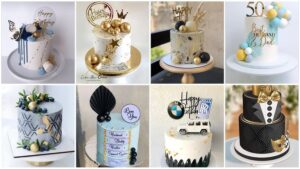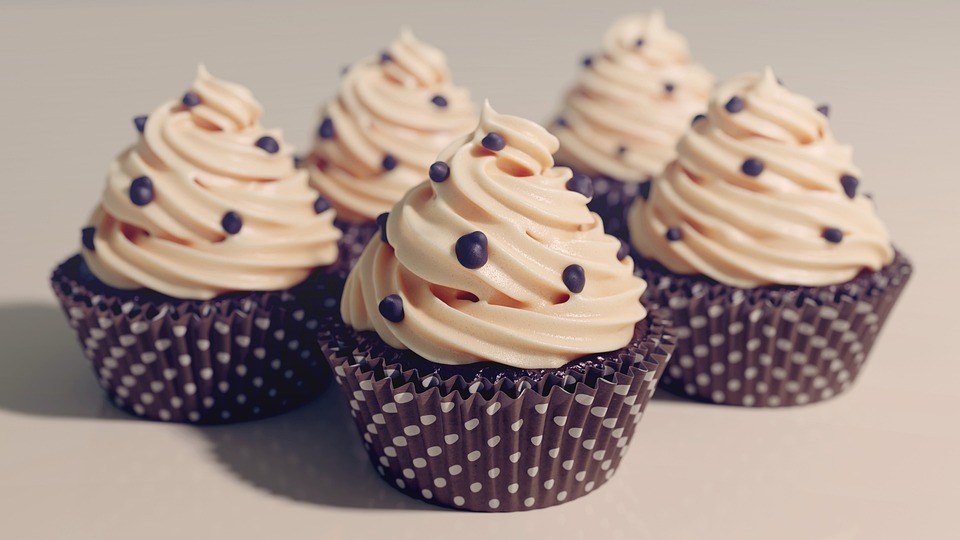
Buttercream is the quintessential frosting that cake decorators and bakers
alike adore for its versatility, taste, and ease of use. Achieving the
perfect consistency is the key to creating cakes that not only taste
divine but also look impeccably polished. Whether you’re aiming for smooth
finishes, intricate piping designs, or sturdy layers, mastering buttercream
consistency is essential for flawless cakes. This guide will walk you
through the steps to achieve that perfect buttercream texture every time.
Understanding Buttercream Basics
Buttercream is essentially a combination of fat (usually butter), sugar,
and some liquid (such as milk, cream, or flavorings). The balance of these
primary ingredients, along with the method of preparation, determines the
final consistency of your buttercream. It is crucial to understand the
different types of buttercream to choose the best one for your cake
decorating needs.
Types of Buttercream
- American Buttercream: The simplest and sweetest of
buttercreams, made with butter, powdered sugar, and a bit of milk or
cream. It is ideal for beginners and offers a sturdy texture suitable for
piping.
- Swiss Meringue Buttercream: Made by heating egg whites
and sugar, then whipping them into a meringue before adding butter, this
buttercream is smooth and less sweet, with a silky texture perfect for
icing cakes.
- Italian Meringue Buttercream: Similar to Swiss meringue,
but involves pouring hot sugar syrup into whipped egg whites, resulting
in a stable and creamy consistency.
- French Buttercream: Made with egg yolks instead of
whites, this buttercream is rich and custard-like, making it perfect for
decadent desserts.
Factors Affecting Buttercream Consistency
Achieving the perfect buttercream consistency involves several factors,
including the temperature of ingredients, the balance of ingredients, and
the mixing technique.
Temperature
Butter Temperature: The butter must be at the right
temperature to ensure smooth and creamy buttercream. It should be soft
enough to mix easily but not so warm that it melts. Room temperature is
ideal, where the butter is pliable but not greasy to the touch.
Ambient Temperature: Your working environment can
significantly affect buttercream consistency. In warmer environments,
buttercream can become too soft, while in cooler environments, it can
harden. Adjust your ingredients and methods accordingly.
Ingredient Balance
Sugar Ratio: The amount of sugar affects both the
sweetness and stiffness of your buttercream. More sugar results in a
stiffer frosting, while less sugar makes it softer and smoother.
Liquid Additions: Adding milk, cream, or other liquids
softens buttercream. Start with small amounts and gradually add more until
you achieve the desired consistency. Be mindful that too much liquid can
make buttercream runny.
Mixing Technique
Whipping Technique: Properly whipping the butter and sugar
creates a light and airy texture. Start by beating the butter until creamy,
then gradually add sugar, beating until fluffy. For meringue-based
buttercreams, ensure that the meringue is stable and glossy before adding
butter.
Mixing Time: Over-mixing can cause buttercream to become
too soft as the butter breaks down, while under-mixing can leave it too
dense. Mix just until the ingredients are combined and the texture is
smooth.
Adjusting Buttercream Consistency
Sometimes, your buttercream may not turn out with the desired consistency
on the first try. Fortunately, adjustments can be made to fix it.
To Thicken Buttercream
- Add More Sugar: Gradually add more powdered sugar to
thicken the buttercream. This also increases sweetness, so taste and
adjust as needed.
- Chill the Buttercream: If the buttercream is too soft
due to warm temperatures, chilling it briefly in the refrigerator can
help firm it up.
To Thin Buttercream
- Add Liquid: Gradually add milk, cream, or other liquid
to soften the buttercream. Add small amounts to avoid over-thinning.
- Increase Mixing: Sometimes, continuing to mix can help
incorporate air and soften the buttercream.
Application Techniques for Flawless Cakes
Once you’ve mastered the perfect buttercream consistency, applying it to
create flawless cakes is the next step. Here are some techniques to
consider:
Smoothing Buttercream
Use a spatula or bench scraper to smooth the buttercream on your cake.
Hold the tool at a slight angle against the cake and rotate the cake stand
to achieve an even finish. For a super-smooth finish, you can use the
“hot knife” method, where you dip the spatula in hot water, wipe it dry,
and run it over the surface for a polished look.
Piping Buttercream
The consistency of buttercream is crucial for piping. A stiffer
buttercream holds its shape better for intricate designs, while a softer
buttercream is ideal for flowing patterns. Use a piping bag with the
desired tip and practice your designs on parchment paper before applying
them to the cake.
Creating Textures
Buttercream can also be used to create textures and patterns on cakes.
Experiment with different tools, such as combs or spatulas, to create
ridges, waves, or other designs. The consistency should be firm enough to
hold the patterns but not so stiff that it cracks.
Conclusion
Mastering buttercream consistency is a crucial skill for any baker aiming
to create flawless cakes. By understanding the types of buttercream, the
factors affecting consistency, and how to adjust and apply it, you can
elevate your cake decorating to a professional level. Remember, practice
makes perfect, and with time and experience, you’ll be able to achieve
that perfect buttercream consistency every time.
Whether you’re a beginner or an experienced baker, these tips and
techniques will guide you in crafting beautiful and delicious cakes that
delight both the eyes and the taste buds. So, grab your mixer, and let’s
start creating cakes with buttercream that’s as perfect as it is
delectable!