In the world of baking, aesthetics are just as crucial as taste. One of the most essential techniques for achieving a flawless cake finish is the crumb coat. This method acts as a protective barrier that seals in crumbs, ensuring that the final layer of frosting is smooth and free of imperfections. Mastering the crumb coat technique is a critical step for both amateur bakers and seasoned pastry chefs who wish to elevate their cake presentation skills.
Understanding the Purpose of a Crumb Coat
A crumb coat serves several vital purposes in cake decoration. Firstly, it locks in any loose crumbs that might disrupt the smoothness of the final frosting layer. Secondly, it provides a stable base for the decorative icing, ensuring it adheres evenly and maintains its texture. Lastly, a crumb coat can help even out any irregularities in the cake’s surface, providing a more professional appearance.
Essential Tools and Ingredients
Before attempting a crumb coat, it’s important to gather the necessary tools and ingredients. Here’s what you’ll need:
- Offset spatula: Ideal for spreading frosting evenly across the cake surface.
- Bench scraper: Useful for smoothing the sides of the cake.
- Turntable: Allows for easy rotation of the cake while applying the crumb coat.
- Cake board: Provides stability while working on the cake.
- Buttercream or ganache: The most common types of frosting used for crumb coating.
- Refrigerator: Essential for setting the crumb coat before applying the final layer of frosting.
Step-by-Step Guide to Applying a Crumb Coat
Step 1: Prepare the Cake Layers
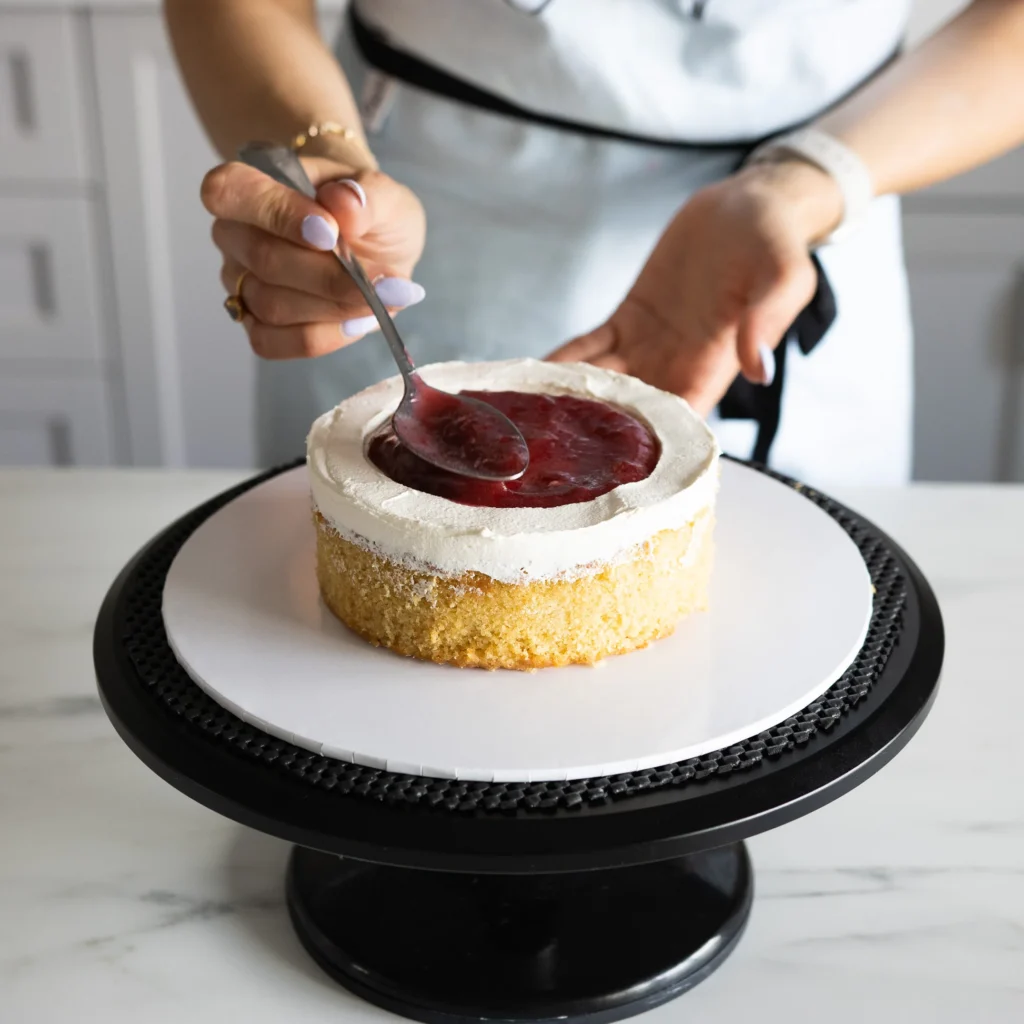
Begin by leveling your cake layers using a serrated knife or a cake leveler. This step is crucial to ensure your cake is stable and even. Once leveled, stack the layers with a thin layer of frosting or filling in between each. This will provide additional stability and flavor.
Step 2: Apply the First Layer of Frosting
Using an offset spatula, spread a thin layer of buttercream or ganache over the top and sides of the cake. The goal here is not to create a thick layer but to capture loose crumbs and form a base for the final coat. Ensure the frosting is spread as evenly as possible.
Step 3: Smooth the Sides and Top
With the help of a bench scraper, smooth the sides of the cake while rotating it on a turntable. This tool will help you achieve a consistent thickness and remove any excess frosting. Repeat the process for the top of the cake using the offset spatula.
Step 4: Chill the Cake
Once the crumb coat is applied, place the cake in the refrigerator for at least 30 minutes. Chilling allows the frosting to set, creating a firm surface for the final decorative layer. This step is crucial to prevent the crumb coat from mixing with the outer layer of frosting.
Common Mistakes and How to Avoid Them
Using Too Much Frosting
A common mistake is applying too much frosting during the crumb coat process. Remember, the purpose is to seal in crumbs, not to create a thick layer. Use just enough frosting to cover the cake thinly and evenly.
Skipping the Chilling Process
Some bakers skip the chilling step in the interest of saving time. However, this can lead to difficulties when applying the final layer of frosting, as the crumb coat may not have set properly. Always ensure the cake is well-chilled before proceeding.
Uneven Application
Uneven application of the crumb coat can result in a lopsided or messy final appearance. To avoid this, use the right tools and take your time to ensure even distribution and smoothness.
Perfecting the Final Layer
After the crumb coat has set, the cake is ready for the final layer of frosting. Apply this layer using the same tools, starting with the top and working your way down the sides. The crumb coat will ensure that the final layer adheres smoothly and evenly, giving your cake a professional finish.
Creative Decorating Techniques
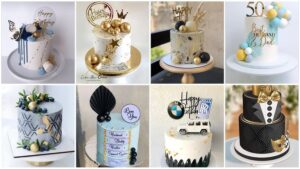
Once the final layer is applied, you can unleash your creativity. Consider using piping techniques, fondant decorations, or edible glitter to add flair to your cake. The crumb coat ensures a stable base for any additional decorations.
Conclusion
Mastering the crumb coat technique is a fundamental skill that will significantly enhance your cake decorating abilities. By understanding its purpose, using the right tools, and following a structured process, you can achieve a flawless finish every time. Whether you’re a home baker or a professional pastry chef, the crumb coat is an invaluable technique in creating visually stunning and delicious cakes.