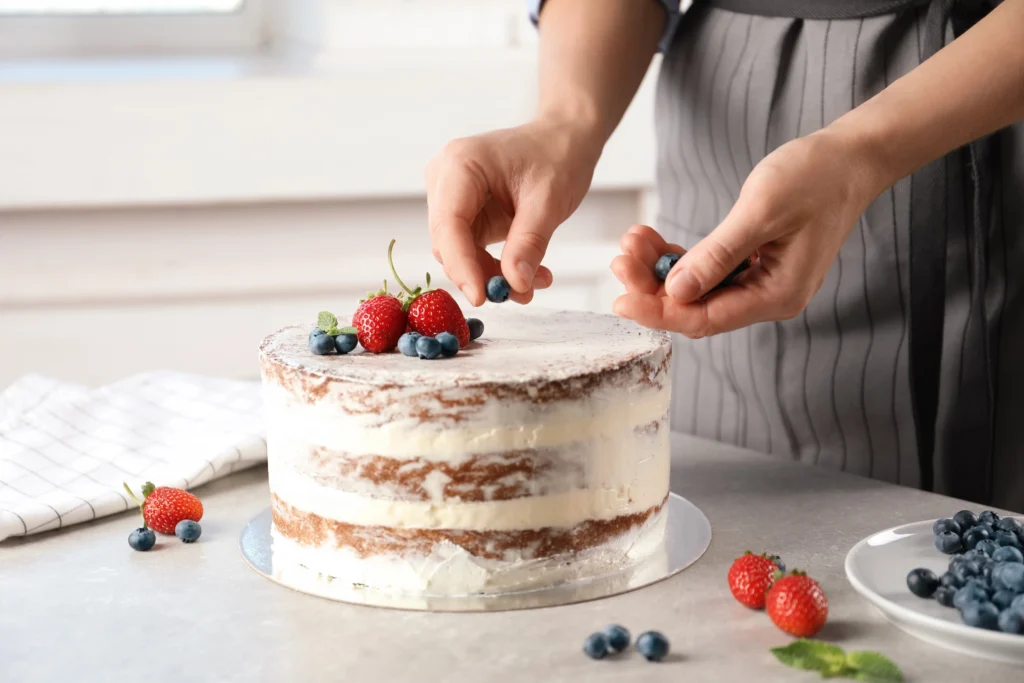
Baking is both an art and a science, requiring precision, patience, and practice. One of the essential skills any aspiring baker must master is cake leveling. Achieving a perfectly level cake is crucial for creating stunning multi-layered cakes and ensuring an even distribution of frosting. In this article, we will delve into the importance of cake leveling, share techniques to achieve perfectly leveled cakes, and provide tips that will elevate your baking to a professional standard.
Why Cake Leveling Matters
A leveled cake is the foundation of any beautiful, professional-looking dessert. Uneven layers can lead to a lopsided cake, compromised structure, and uneven frosting distribution. When cakes are not level, the appearance and texture of the final product suffer. By mastering cake leveling, you ensure that your creations not only taste delicious but also look impeccable.
Improved Aesthetics
Cake leveling allows for smooth, straight edges and layers, providing a clean canvas for decoration. This precision is especially important for fondant-covered cakes and tiered creations where uniformity is key to visual appeal.
Structural Integrity
A level cake ensures stability and prevents sliding layers, which is essential for multi-tiered cakes. A solid foundation is necessary to support the weight of additional layers and decorations.
Enhanced Flavor Distribution
Even layers allow for uniform application of fillings and frostings, ensuring that each bite is balanced in flavor and texture. This creates a more enjoyable eating experience for everyone.
Tools of the Trade
Before diving into cake leveling techniques, it’s important to understand the tools that will make the process easier and more efficient. Investing in the right equipment can significantly impact your results.
Cake Leveler
A cake leveler is a specialized tool designed to slice the top off a cake evenly. It usually consists of a wire or blade attached to adjustable arms that allow you to set the desired height. This tool is ideal for beginners as it provides precision and ease of use.
Serrated Knife
For those who prefer a more hands-on approach, a long serrated knife is an alternative. This tool requires a steady hand and practice but can achieve excellent results when used correctly.
Turntable
A cake turntable allows for smooth and easy rotation of the cake, making it simpler to level the surface evenly. It is a valuable tool for both leveling and decorating, providing control and accessibility from all angles.
Step-by-Step Cake Leveling Techniques
With the right tools at hand, let’s explore the steps to achieve a perfectly leveled cake. Follow these techniques to elevate your baking skills and produce professional-quality results.
Cooling and Preparation
Allow your cake to cool completely before leveling. A warm cake is more fragile and prone to crumbling. Ideally, refrigerate the cake for 30 minutes to an hour to firm it up, making it easier to handle and slice.
Using a Cake Leveler
- Place the cake on a turntable for maximum control.
- Adjust the cake leveler to the desired height, ensuring it is parallel to the work surface.
- Hold the leveler firmly and begin slicing from one side of the cake to the other in a gentle sawing motion.
- Rotate the turntable as you proceed, maintaining an even cut throughout.
- Remove the top layer and smooth any uneven areas with the leveler or a spatula.
Using a Serrated Knife
- Secure the cake on the turntable and rotate it to find the lowest point.
- Hold the knife parallel to the work surface and start cutting at the lowest point.
- Use a gentle sawing motion while rotating the turntable to maintain an even cut.
- Continue slicing until the entire top has been removed, then smooth any rough areas.
Tips for Perfect Cake Leveling
While practice is key to mastering cake leveling, the following tips can help you achieve better results and overcome common challenges.
Consistent Batter Distribution
Ensure that the batter is evenly distributed in the pan before baking. This reduces the likelihood of domed or uneven cakes. Use a spatula to spread the batter evenly and tap the pan on the counter to release air bubbles.
Bake Evenly
Use baking strips or a water bath to promote even baking. Baking strips help insulate the sides of the pan, preventing the edges from cooking faster than the center.
Trim with Precision
Take your time when leveling and trim small amounts at a time. It’s easier to remove more if needed than to add back what has been cut away.
Practice Patience
Leveling a cake requires a steady hand and patience. Rushing through the process can lead to mistakes and uneven results. Take your time and enjoy the process.
Conclusion
Mastering cake leveling is an essential skill for any baker looking to improve their craft and produce professional-looking cakes. By understanding the importance of leveling, using the right tools, and following step-by-step techniques, you can achieve perfectly even layers that enhance the appearance, structure, and flavor of your cakes. With practice and patience, you’ll be creating stunning, leveled cakes that are sure to impress. So, gather your tools, embrace the art of cake leveling, and elevate your baking to new heights.