Baking is both an art and a science. Every baker, from novices to professionals, has encountered the dreaded cracked cake at some point. While it can be disheartening to see your beautifully risen cake marred by unsightly fissures, the good news is that cracks can often be mended with a few strategic techniques. In this ultimate guide, we will explore the reasons behind cake cracking and provide you with comprehensive solutions to fix and even prevent this issue.
Understanding Why Cakes Crack
Before diving into the solutions, it’s essential to understand what causes cakes to crack in the first place. A crack is essentially the result of uneven cooking or rapid expansion. Here are some common reasons why cakes crack:
1. Oven Temperature
An oven that’s too hot will cause the cake to rise too quickly, forming a crust before the internal structure has settled. As the batter continues to expand, it pushes through the crust, resulting in a crack.
2. Incorrect Batter Consistency
If the batter is too thick or too dry, it won’t have the flexibility to expand evenly. This can lead to a dense cake with surface cracks.
3. Overmixing
Overmixing the batter can incorporate too much air, leading to a volatile structure that is prone to cracking as it bakes.
4. Cake Pan Size
A pan that is too small will cause the cake to rise high and fast, increasing the likelihood of cracking.
5. Baking Time
Overbaking a cake can result in a dry surface that is more prone to cracking. This often happens if the cake is left in the oven for too long.
How to Fix a Cracked Cake
If your cake has cracked, don’t despair. There are several ways to remedy the situation. Here are some tried-and-true techniques:
1. Trim and Level
Use a serrated knife or a cake leveler to trim the top of the cake. This not only removes the cracked surface but also helps in creating an even base for stacking layers or applying frosting.
2. Use Frosting as Glue
If you have a small crack, you can use frosting to cover and seal it. Apply a crumb coat—a thin layer of frosting—to the entire cake, filling the cracks as you go. This will not only mask the imperfections but also lock in moisture.
3. Create a Decorative Top
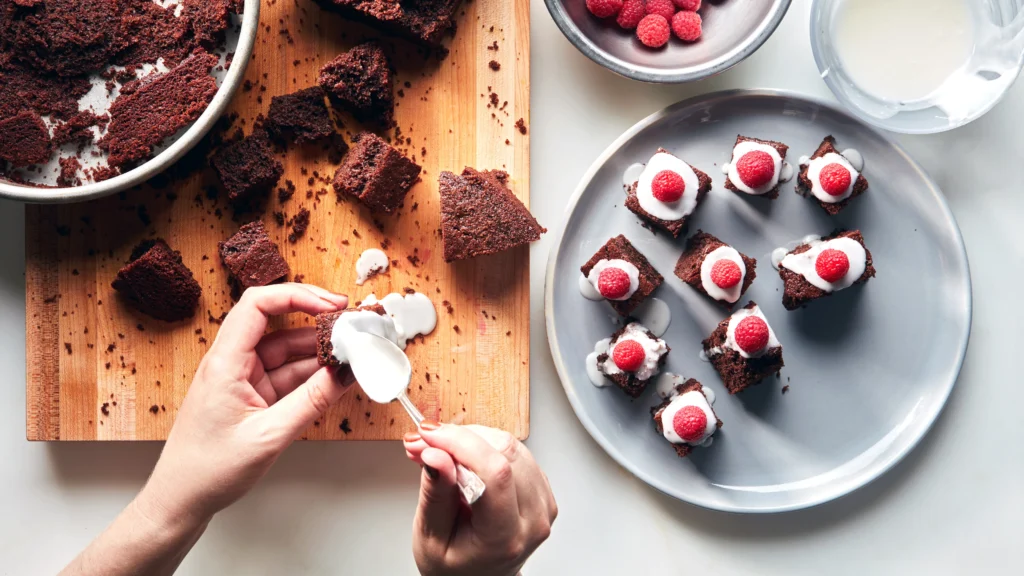
If the crack is too significant to hide with frosting alone, consider creating a decorative top. Use fresh fruits, nuts, or chocolate shavings to create a beautiful, intentional design that diverts attention from the crack.
4. Use a Glaze or Ganache
A thick glaze or ganache can work wonders in concealing cracks. Pour it over the top of the cake, allowing it to drip down the sides, creating a smooth and polished finish.
5. Reinvent the Cake
If all else fails, consider transforming the cracked cake into something new. Cut it into pieces and layer it in a trifle dish with whipped cream and fruit, or crumble it to make cake pops.
Preventing Cake Cracks in the Future
Once you’ve managed to fix a cracked cake, it’s time to look at prevention techniques to ensure a smoother baking process in the future. Here are some tips:
1. Calibrate Your Oven
Ensure your oven is calibrated correctly. Use an oven thermometer to check the temperature and adjust your settings as needed. An accurate temperature will help the cake bake evenly.
2. Follow the Recipe Accurately
Recipes are formulated with specific ratios for a reason. Stick to the recommended measurements and ingredients to maintain the right batter consistency.
3. Use the Right Pan Size
Always use the pan size specified in the recipe. If you need to adjust, be mindful that larger pans require shorter baking times, while smaller pans need longer times.
4. Avoid Overmixing
Mix the batter until ingredients are just combined. Overmixing can incorporate too much air, leading to a cake that rises and cracks.
5. Monitor Baking Time
Set a timer and check the cake a few minutes before the recommended baking time elapses. Use a toothpick or cake tester to check for doneness, ensuring the cake is moist but cooked through.
Cake Cracks: Natural Beauty or Unwanted Blemish?
While cracks in cakes are often seen as a flaw, some bakers and consumers embrace them as a sign of homemade authenticity. Rustic cakes, such as pound cakes or some loaf cakes, are often expected to have a cracked top, which adds character and texture.
However, if a smooth, flawless cake is your goal, the techniques and tips provided in this guide will help you achieve just that. Baking is a journey, and each cake offers an opportunity to learn and improve. So, the next time you find a crack in your cake, remember that it’s fixable and an experience to grow from.
Conclusion
Dealing with cracked cakes is a common challenge in the kitchen, but with understanding and practice, they become easy to fix and prevent. By monitoring oven temperatures, following recipes closely, and using creative fixing methods, you can ensure that your cakes not only taste delicious but look stunning as well. Remember, every baking mishap is a step towards becoming a more skilled and versatile baker.
#ChatGPT assisted in the creation of this article.