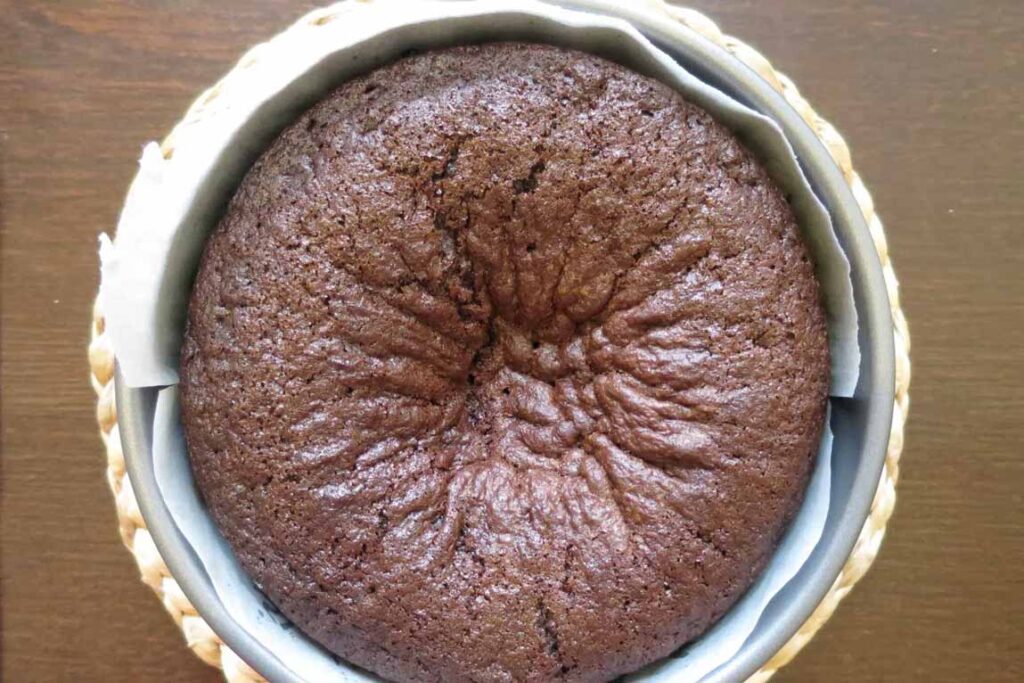
Baking the perfect cake is both an art and a science. One of the most common frustrations for home bakers is the dreaded sinking cake. You’ve followed the recipe to the letter, only to open the oven and find your cake has collapsed in the center. Fortunately, understanding the causes behind this baking mishap can help you prevent it. Here are some top tips to stop your cake from sinking, ensuring your baked goods come out perfectly every time.
Understand the Science of Baking
Before diving into the tips, it’s essential to understand the baking process. Baking involves a series of chemical reactions. Ingredients like baking powder or baking soda create gas bubbles in the batter, which expand in the heat of the oven to make the cake rise. The egg proteins and flour starches then cook and set, providing structure. If anything disrupts this process, the cake may sink. Here’s how you can avoid these disruptions:
Measure Ingredients Accurately
Accurate measurement of ingredients is crucial for baking success. Too much liquid can make the batter too wet, causing the cake to collapse. Similarly, too much leavening agent can cause the cake to rise too quickly and then fall. Use a digital scale for precision, and spoon flour into the measuring cup rather than scooping it, which can pack it down and lead to too much flour.
Use the Right Leavening Agent
Leaveners like baking powder and baking soda are not interchangeable. Baking soda is four times stronger than baking powder and requires an acid to activate. Ensure your recipe uses the correct leavening agent and that it is fresh. Leavening agents lose their potency over time, so check the expiration date and replace them if necessary.
Ensure Proper Mixing
Mixing the batter just right is key. Overmixing can incorporate too much air, leading to a fragile crumb structure that can’t support the cake’s weight. On the other hand, undermixing can result in uneven distribution of ingredients, which can also cause sinking. Mix until the ingredients are just combined to avoid these issues.
Preheat Your Oven
Preheating the oven is crucial. If the oven isn’t at the right temperature when you put the cake in, it can cause uneven rising. Use an oven thermometer to ensure your oven reaches the correct temperature. Most ovens have a slight temperature variation, so this tool can help you achieve more consistent results.
Avoid Opening the Oven Door
While it can be tempting to check on your cake, opening the oven door too early in the baking process can cause the temperature to drop rapidly. This sudden change can lead to the center of your cake collapsing. If you must check, wait until the cake has set, usually at least 20 minutes into the baking time.
Bake at the Right Temperature
Ensure that you are baking at the right temperature. Too high a temperature can cause the cake to rise too quickly and then fall, while too low a temperature can prevent it from setting properly, leading to sinking. Follow the recipe’s temperature guidelines closely, and adjust if necessary based on your oven’s performance.
Prevent Underbaking
Underbaking is another common cause of sinking. If the cake isn’t baked enough, it won’t have the structure to hold itself up. Use a toothpick to check doneness: insert it into the center of the cake, and if it comes out clean or with a few crumbs, the cake is done. Ensure that the cake is golden brown and springs back when lightly touched.
Cool Your Cake Correctly
Once your cake is out of the oven, it’s important to let it cool properly. Sudden changes in temperature can cause it to sink. Let the cake cool in its pan on a wire rack for about 10-15 minutes before removing it. This allows the structure to set and prevents collapse.
Consider Ingredient Substitutions Carefully
Substituting ingredients can affect the cake’s structure. For instance, using oil instead of butter or almond flour instead of all-purpose flour can change the texture and how the cake rises. If you need to make substitutions, try to follow a tested recipe that accounts for these changes.
Choose the Right Pan Size
Using the wrong pan size can also cause a cake to sink. A pan that is too large will result in a thin cake that bakes too quickly, while a pan that is too small can cause the cake to overflow and not cook evenly. Follow the recipe’s recommendations for pan size to ensure even baking.
Practice Patience
Finally, remember that baking is a skill that improves with practice. If your cake sinks, don’t be discouraged. Analyze what might have gone wrong, and try again. With time and experience, you’ll become more attuned to your oven, your ingredients, and the techniques that work best for you.
Conclusion
Baking a perfect cake is a rewarding experience, and with these tips, you can minimize the chances of it sinking. From accurately measuring ingredients to ensuring proper baking conditions, each step plays a crucial role in the final outcome. By understanding and applying these techniques, you can impress your friends and family with beautifully risen cakes every time. Happy baking!
#ChatGPT assisted in the creation of this article.