Baking the perfect cake is an art that combines science and creativity. Among the various aspects of cake baking, ensuring the cake is perfectly baked is crucial. Undercooked cakes can be gummy and wet, while overbaked ones tend to be dry and crumbly. Achieving that perfect balance requires a keen understanding of cake doneness. This article delves into foolproof techniques for testing cake doneness, offering insights and tips to help bakers, both amateur and professional, master this essential skill.
The Science of Cake Baking
Before diving into testing techniques, it’s important to understand the science behind cake baking. Cakes are essentially emulsions of fat, sugar, eggs, flour, and leavening agents. As the cake bakes, these ingredients undergo various chemical reactions. The leavening agents release gas, causing the cake to rise, while the proteins in the flour and eggs set, giving the cake structure. The sugar caramelizes, adding flavor and color, while fats keep the cake moist.
Accurate timing and temperature control are critical to ensuring these processes occur optimally. When a cake is perfectly baked, it will have a tender crumb, a uniform color, and a delightful aroma. However, determining this can sometimes be challenging, especially for novice bakers.
Visual Cues
One of the simplest ways to assess cake doneness is through visual inspection:
1. Even Color
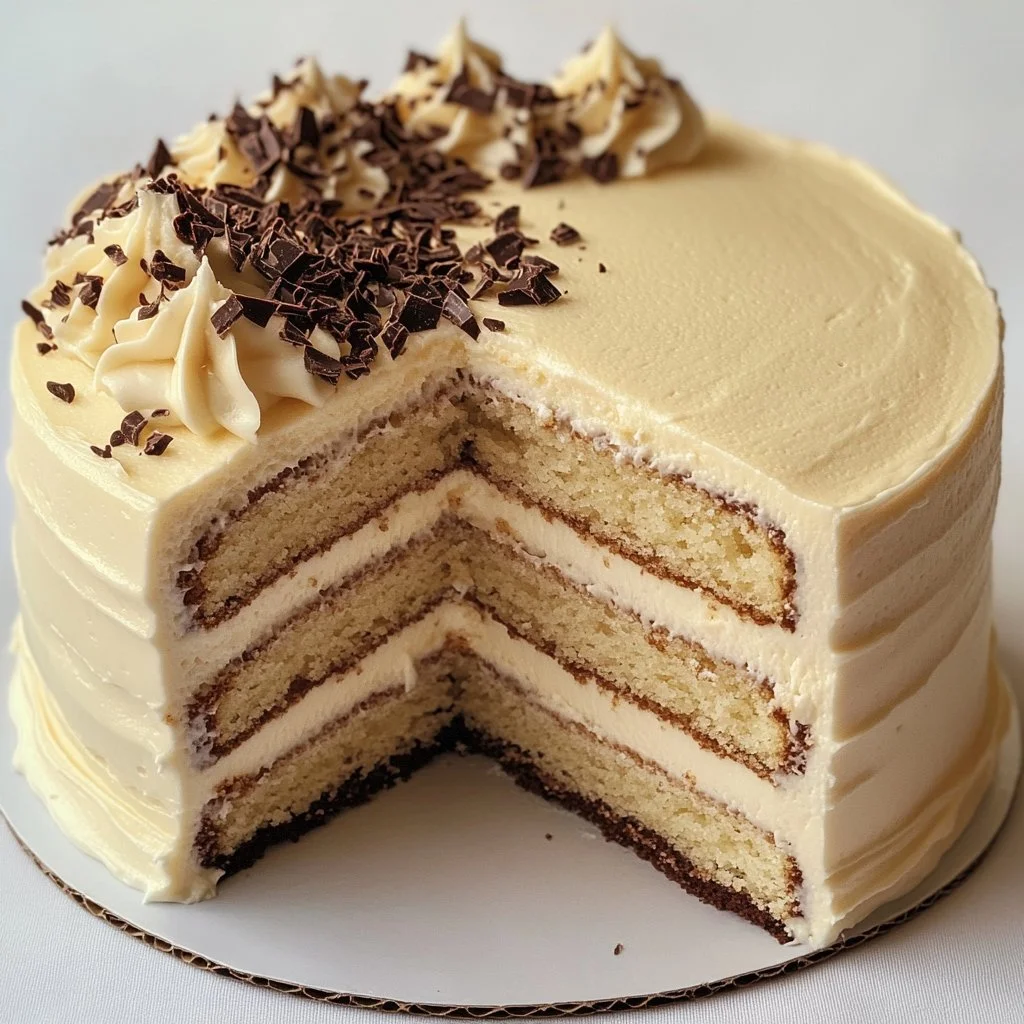
A well-baked cake will have an even, golden-brown color across its surface. If the cake appears pale or has dark spots, it may indicate uneven baking or incorrect oven temperature.
2. Pulling Away from the Edges
As a cake bakes, it contracts slightly. A done cake will often begin to pull away from the sides of the pan. This is a positive sign that the cake is nearing completion.
3. Surface Texture
The surface of the cake should appear dry and slightly springy. If the cake looks moist or wet, it likely needs more time in the oven.
Physical Tests
In addition to visual cues, there are several physical tests that can help determine cake doneness:
1. The Toothpick Test
One of the most common methods, the toothpick test involves inserting a toothpick or skewer into the center of the cake. If it comes out clean or with a few crumbs clinging to it, the cake is done. If the toothpick comes out with wet batter, the cake needs more time.
2. The Spring Test
Gently press the center of the cake with your fingertip. A well-baked cake will spring back to its original shape, indicating that the internal structure has set. If a dent remains, the cake requires more baking.
3. The Temperature Test
Using an instant-read thermometer provides a precise measurement of doneness. Most cakes are done when the internal temperature reaches 200-210°F (93-99°C). This method is especially useful for dense cakes like pound cakes.
Timing and Temperature
While testing techniques are crucial, understanding how timing and temperature affect cake doneness is equally important:
1. Oven Calibration
An accurate oven is vital for baking success. Ovens can often be off by 25°F or more, leading to uneven baking. Use an oven thermometer to ensure your oven is at the correct temperature.
2. Bake Time
Bake times given in recipes are guidelines; factors such as altitude, humidity, and ingredient temperature can affect baking time. Always start checking for doneness a few minutes before the suggested time.
3. Rack Position
The position of the cake in the oven impacts how evenly it bakes. Generally, placing the cake in the center of the oven allows for the most even heat distribution.
Common Mistakes and How to Avoid Them
Understanding common pitfalls can help prevent mistakes that lead to underbaked or overbaked cakes:
1. Opening the Oven Door
Frequent door opening lets out heat, causing temperature fluctuations that can affect baking. Only open the door when necessary to test for doneness.
2. Using Cold Ingredients
Cold ingredients can lead to uneven mixing and inconsistent baking. Allow ingredients like eggs and butter to reach room temperature before starting.
3. Ignoring Altitude Adjustments
At higher altitudes, cakes can rise too quickly and then collapse. Adjust baking times, temperatures, and ingredient proportions as needed for your altitude.
Adjusting for Different Cake Types
Different types of cakes require specific considerations when testing for doneness:
1. Sponge and Angel Food Cakes
These cakes rely on beaten egg whites for leavening and should be springy and light. Use the spring test and invert the pan for cooling to maintain volume.
2. Cheesecakes
Cheesecakes continue to cook after being removed from the oven. They are done when the edges are set, but the center still has a slight wobble.
3. Bundt and Pound Cakes
Due to their density, these cakes benefit from the temperature test. Ensure even baking by rotating the pan halfway through the baking time.
Conclusion
Mastering cake doneness is a key skill that can elevate your baking from good to exceptional. By relying on a combination of visual cues, physical tests, and an understanding of baking science, you can ensure that your cakes are perfectly baked every time. Remember, practice makes perfect, and with time, you’ll develop an intuitive sense for when a cake is done. So the next time you embark on a baking adventure, armed with these foolproof techniques, you can do so with confidence, knowing that the sweetest reward—a perfectly baked cake—awaits you.