
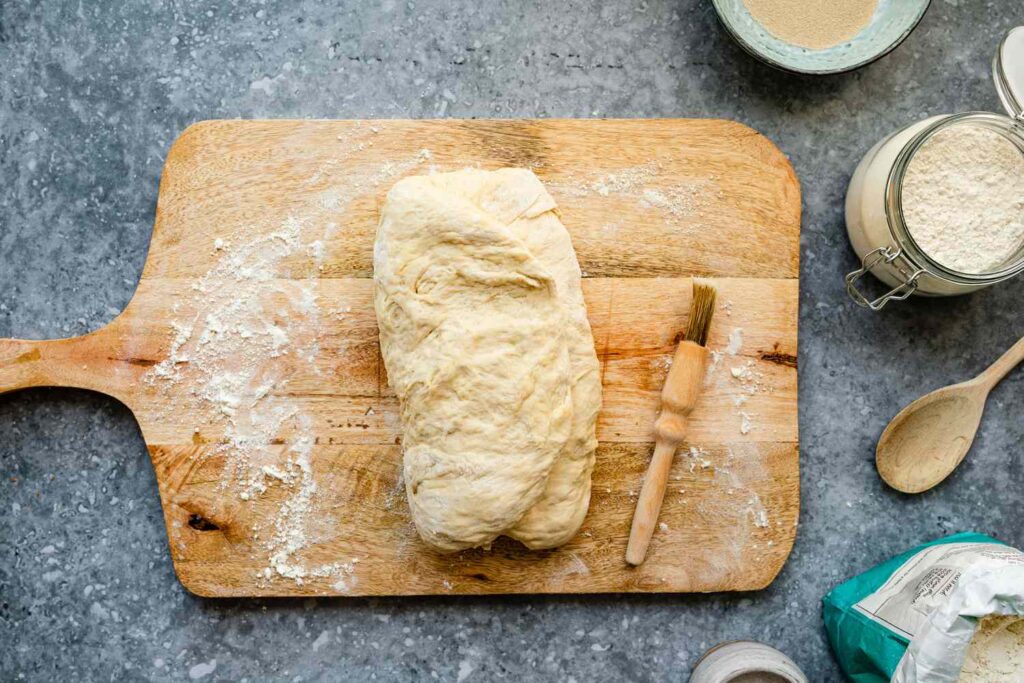
The art of baking is a delicate balance of science and creativity, where precision and technique play pivotal roles in achieving the perfect bake. Among the myriad of techniques that bakers employ, folding stands out as a subtle yet crucial skill. Mastering the art of folding can elevate your baking, transforming your creations from good to extraordinary. This article delves into the nuances of folding, exploring its significance, techniques, and tips for perfecting this essential skill.
Understanding Folding
Folding is a gentle mixing technique used in baking to combine ingredients without deflating air bubbles. It is particularly important in recipes where lightness and volume are desired, such as soufflés, meringues, and sponge cakes. The primary goal of folding is to preserve the air incorporated into the mixture, which contributes to the texture and rise of the final product.
The Science Behind Folding
When ingredients are mixed, air is trapped within the batter or dough. This trapped air expands during baking, causing the mixture to rise. Folding is designed to maintain this air, as opposed to vigorous stirring or beating, which can deflate it. The lightness and texture of many baked goods depend on the careful preservation of these air pockets.
Essential Folding Techniques
Mastering folding requires practice and patience. Here are the essential techniques to help you perfect your folding skills:
1. The Right Tools
Using the correct tools can make a significant difference in the folding process. A large, flexible spatula is ideal for folding, as it allows you to gently lift and turn the mixture without applying too much force. A metal spoon or whisk can also be used, but be sure to handle them delicately to avoid deflating the mixture.
2. Preparing the Mixture
Before you begin folding, ensure that your ingredients are prepared and ready to be combined. Typically, you will be folding a lighter mixture, such as whipped egg whites or cream, into a heavier base, like a batter. It’s important that the base mixture is smooth and free of lumps to achieve an even fold.
3. The Folding Motion
The key to effective folding lies in the technique. Begin by adding a small portion of the lighter mixture to the base to loosen it. This step makes it easier to incorporate the remaining mixture. Use the spatula to cut down through the center of the mixture, scrape along the bottom of the bowl, and bring the mixture up and over. Rotate the bowl slightly with each fold to ensure even incorporation. Repeat this process until the mixtures are combined, but be cautious not to overmix, as this can deflate the batter.
Common Mistakes and How to Avoid Them
Even experienced bakers can encounter challenges with folding. Here are some common mistakes and tips to help you avoid them:
Overmixing
One of the most common pitfalls in folding is overmixing. When you overmix, you risk deflating the air bubbles, resulting in a denser bake. To avoid this, fold just until the ingredients are combined, and no streaks remain.
Using the Wrong Tools
Using a tool that is too rigid or small can impede the folding process. Ensure you have a large, flexible spatula to effectively lift and turn the mixture without applying excessive pressure.
Adding Ingredients Too Quickly
Adding too much of the lighter mixture at once can lead to uneven incorporation and deflation. Start by adding a small portion to loosen the base, then gradually fold in the rest.
Recipes That Benefit from Folding
Understanding the significance of folding is essential, but seeing it in action within various recipes can solidify your technique:
1. Soufflés
Soufflés are the epitome of dishes that rely on the folding technique. The delicate structure of a soufflé depends on the airiness of whipped egg whites being carefully folded into the base mixture. Perfectly folded soufflés rise beautifully and maintain a light, airy texture.
2. Sponge Cakes
Sponge cakes require the incorporation of air to achieve their characteristic lightness. Folding beaten egg whites into the batter ensures that the cake rises evenly and has a tender crumb.
3. Meringues
In meringues, folding is crucial to maintain the volume of whipped egg whites. This technique ensures that the meringues are crisp on the outside and soft on the inside, with a melt-in-your-mouth texture.
Advanced Folding Techniques
Once you’ve mastered the basics, you can explore advanced folding techniques to further enhance your baking:
Layered Folding
This technique is often used in pastry making, such as in croissants or puff pastry. It involves folding dough over itself multiple times to create layers. Each fold traps air, contributing to the flaky texture of the final product.
Folding in Additions
For recipes that include additional ingredients like nuts or chocolate chips, folding these into the batter after the main folding process ensures even distribution without overmixing.
Conclusion
Mastering the art of folding is a valuable skill that can elevate your baking to new heights. By understanding the science behind folding, employing the right techniques, and practicing with various recipes, you can achieve light, airy, and perfectly textured bakes. Remember, patience and practice are key. With time, you’ll gain confidence in your folding abilities, allowing you to tackle even the most delicate of baking endeavors with ease. So, grab your spatula, and start folding your way to perfect bakes!


