
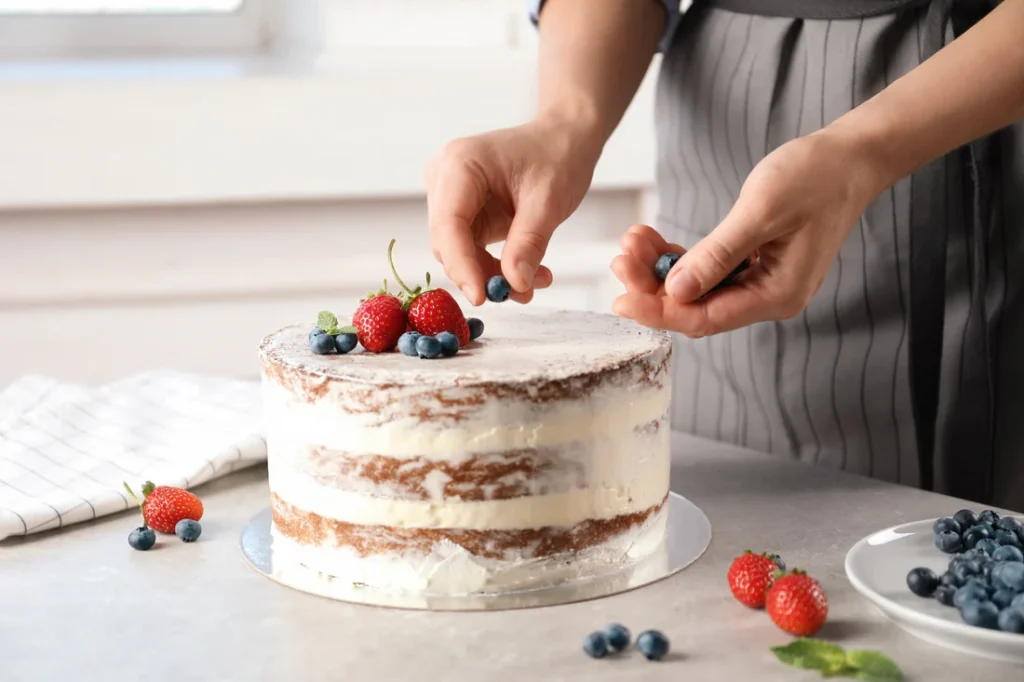
Baking a perfect cake is an art that combines science, patience, and a touch of creativity. Whether you’re a novice baker or an experienced patisserie chef, mastering the subtleties of cake baking can elevate your creations from good to spectacular. Here, we delve into the essential tips and techniques for achieving flawless results every time you step into the kitchen.
Understanding the Basics of Cake Baking
The Role of Ingredients
Each ingredient in a cake recipe plays a crucial role in the final product. Flour provides structure, sugar contributes sweetness and moisture, eggs bind and add richness, while fats like butter or oil tenderize and enrich the cake. Leavening agents such as baking powder or baking soda are responsible for the cake’s rise. Understanding the function of each ingredient allows you to manipulate them to achieve the desired texture and flavor.
Measuring Ingredients Accurately
Accuracy in measuring can make or break a cake. Use a kitchen scale for precise measurements, especially for dry ingredients like flour. Spoon flour into the measuring cup and level it with a knife, rather than scooping directly from the bag, to prevent packing and excess flour. Liquids should be measured at eye level using a clear measuring cup. These meticulous practices ensure consistency and balance in your cake batter.
The Science of Mixing
Creaming Butter and Sugar
Creaming butter and sugar is a fundamental step that incorporates air into the batter, resulting in a light and fluffy texture. Use room-temperature butter and beat it with sugar until the mixture is pale and fluffy, usually taking about 3 to 5 minutes with an electric mixer. This process creates tiny air pockets that expand during baking, contributing to the cake’s rise.
Incorporating Eggs
Adding eggs one at a time and ensuring each is fully integrated before adding the next is crucial. This gradual incorporation helps maintain the emulsion and prevents the batter from curdling. The eggs should also be at room temperature to blend more easily with the butter-sugar mixture, creating a smooth and cohesive batter.
Folding in Dry Ingredients
Once the wet ingredients are well-mixed, it’s time to add the dry ingredients. Sift them to prevent lumps, and fold them into the batter gently using a spatula. Overmixing can lead to gluten development, resulting in a dense and tough cake. Aim for a uniform mixture with no visible streaks of flour.
The Art of Baking
Preheating the Oven
Preheat your oven for at least 20 minutes before baking to ensure it reaches the correct temperature. An oven thermometer is a worthwhile investment to verify the accuracy of your oven’s temperature setting. Baking at the right temperature is key to achieving even cooking and the desired rise in your cake.
Positioning in the Oven
Place your cake in the center of the oven on the middle rack for the most even heat distribution. Avoid opening the oven door frequently, as this can cause temperature fluctuations and affect the cake’s rise. If necessary, rotate the cake pan gently halfway through the baking time for uniform baking.
Testing for Doneness
Check for doneness by inserting a toothpick or cake tester into the center of the cake. If it comes out clean or with a few moist crumbs, the cake is done. You can also gently press the center of the cake with your finger; if it springs back, it’s ready. Avoid overbaking, which can lead to a dry and crumbly texture.
Cooling and Decorating
Cooling the Cake
Allow the cake to cool in the pan for about 10 minutes before transferring it to a wire rack. This initial cooling helps the cake set, making it easier to remove from the pan without breaking. Once on the rack, let it cool completely before frosting or decorating to prevent the icing from melting.
Choosing the Right Frosting
The frosting can enhance the flavor and appearance of your cake. Buttercream is a classic choice, offering a creamy and rich finish. For a lighter option, consider whipped cream or a tangy cream cheese frosting. Match the frosting flavor to your cake for a harmonious taste, and ensure it’s spreadable but not too soft to hold its shape.
Decorating Techniques
Decorating is where your creativity can shine. Use a crumb coat to seal in any loose crumbs before applying the final layer of frosting. Smooth the surface with a spatula or palette knife for a polished look. Piping bags and tips offer endless possibilities for adding intricate designs, borders, or writing. For a simple yet elegant finish, dust the cake with powdered sugar or add fresh fruit or edible flowers.
Troubleshooting Common Cake Baking Issues
Preventing a Sinking Center
A sinking center can result from underbaking, opening the oven door too soon, or overmixing the batter. Ensure your oven is preheated and avoid disturbances during the early stages of baking. Mix just until the ingredients are combined to prevent excessive air incorporation.
Dealing with Dry Cakes
Dry cakes are often a result of overbaking or using too much flour. Ensure accurate measurements and set a timer to avoid leaving your cake in the oven for too long. Using ingredients like sour cream or buttermilk can add moisture, while a syrup soak can revive an already baked dry cake.
Achieving a Fluffy Texture
For a light and fluffy cake, ensure you’re creaming the butter and sugar adequately and incorporating air during mixing. Use cake flour instead of all-purpose flour for a finer crumb. Additionally, separate egg whites and yolks, whipping the whites to soft peaks before folding them into the batter for extra lift.
Conclusion
Baking a perfect cake requires attention to detail, patience, and practice. By understanding the role of each ingredient, mastering mixing techniques, and adhering to proper baking practices, you can consistently achieve professional-quality results. Remember, each bake is an opportunity to learn and refine your skills. With these masterful cake baking tips, you’re well on your way to creating delectable cakes that impress and delight with every slice.
#ChatGPT assisted in the creation of this article.


